Author: mrgrayston

  • Top threes of 2025

    A few years ago, I wrote a top three non-fiction list. This year, I wanted to revisit that idea and add in some other top threes that I’ve come across this year – particularly as a celebration of some of the arts. So I’m including fiction, art, TV, film, music.

    Some have reviews, some don’t. All have links to the creator. Some Amazon links are affiliate links.

    Many of these didn’t necessarily get released or created this year, but I came across them this year or they made the most difference to me this year, 2025.

    Non-fiction

    1. Building Utopia: Barbican Centre
    2. We need your Art
    3. Change the Culture, Change the Game

    1. Building Utopia, The Barbican Centre

    I was working for a bank in the city and the Barbican Centre was really nearby. I used to go there at lunch and enjoy the architecture. And the building grew and grew on me. I always had a sense that the Barbican was something impressive and had been an admirer of its brand for many years. In a past life, I wanted to be an architect too, so I knew it was a wonderful example of Brutalism. This book took my general interest and turned it into something of a passion. I doubt there will ever be a project as wholeheartedly wonderful as the idea of the Barbican. A complete, uncompromising vision for a creative lifestyle, housed together is something to be celebrated, whether you admire or detest Brutalism. Its vision is to be applauded. And this book is a celebration of that vision. 

    2. We Need Your Art, Amie McNee 

    On a first read, I thought this book was ok, but I know it’s better than that because it keeps coming back to me time and time again since I read it. It’s also got me starting to sketch again and share my shitty art on Instagram in the hope it makes someone smile or pause and enjoy it or reflect or whatever reaction they have. Artistry has become my word of the year because it’s so much more than just creativity. Artistry, to me, enthuses about the creation and appreciation of art in all its forms. Taste, beauty, creativity. All bound up in that word. And I don’t think I’d have landed on that word, were it not for Amie Mcnee’s book. 

    3. Change the Culture, Change the Game, Connors & Smith

    A simple idea, but really well articulated and structured. One of the best and most coherent examples I’ve seen of practical steps to move from existing culture, called C1, to a desired culture, called C2. I wish people would read this stuff rather than just put culture buzzwords on slides like ‘empowered’ and expect everyone to feel empowered.  It doesn’t work like that. This book will tell you how it could work instead. 


    Fiction

    1. Picture of Dorian Gray & Dracula
    2. At Night All Blood is Black
    3. I Let You Go

    1a & 1b & 1c. Picture of Dorian Gray & Dracula & Frankenstein 

    I went on a little (quite long) Gothic Horror fantasy over the summer (after having rewatched a bit of Penny Dreadful), reading A Picture of Dorian Gray, Dracula, and Frankenstein or A Modern Prometheus (to give it its full title). And they’re all brilliant in their own way. Something no film/tv version gets for me is the creepiness or underlying sadness and desperation of these characters. Dorian Gray and Dracula are often painted as characters to lust after, but from my reading at least, they seem spiteful, nasty pieces of work that are super creepy. I loved voyaging back in time to indulge in these classic gothic horrors. They’re great and I’d recommend taking a bit of time for all of them.

    3. At Night All Blood is Black, David Diop

    This mesmerising tale follows Alfa Ndiaye, a Senegalese soldier fighting for France in the First World War, who is traumatised by the brutal death of his closest friend. As grief and guilt overwhelm him, his acts of violence escalate, blurring the boundary between sanity and madness while exposing the psychological and moral cost of colonial warfare.

    4. I Let You Go, Clare Mackintosh

    No spoilers, but I was properly suckered in by the twist. A child dies in a car accident. A woman starts again in a remote town. 


    Art

    1. Nina Tans, Mull & Iona map
    2. Ashleigh Proud, Sacred trees
    3. Noah Davis, Barbican Centre, Painting for my Dad

    1. Nina Tans, Mull & Iona map
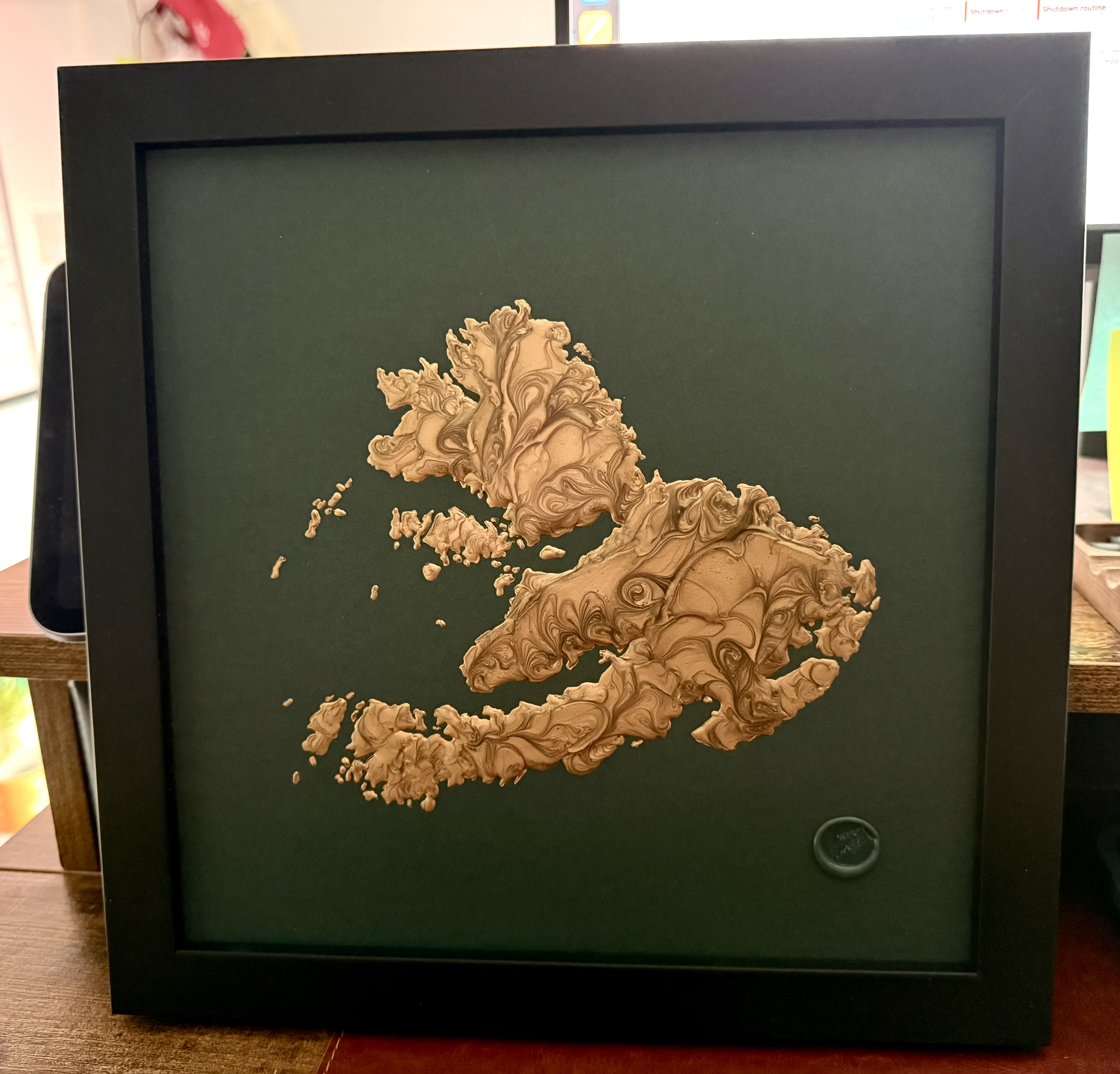
    Commissioned by us after our transformational visit to Mull this summer, Nina Tans art maps are utterly stunning, as are her bladderwrack watercolours.

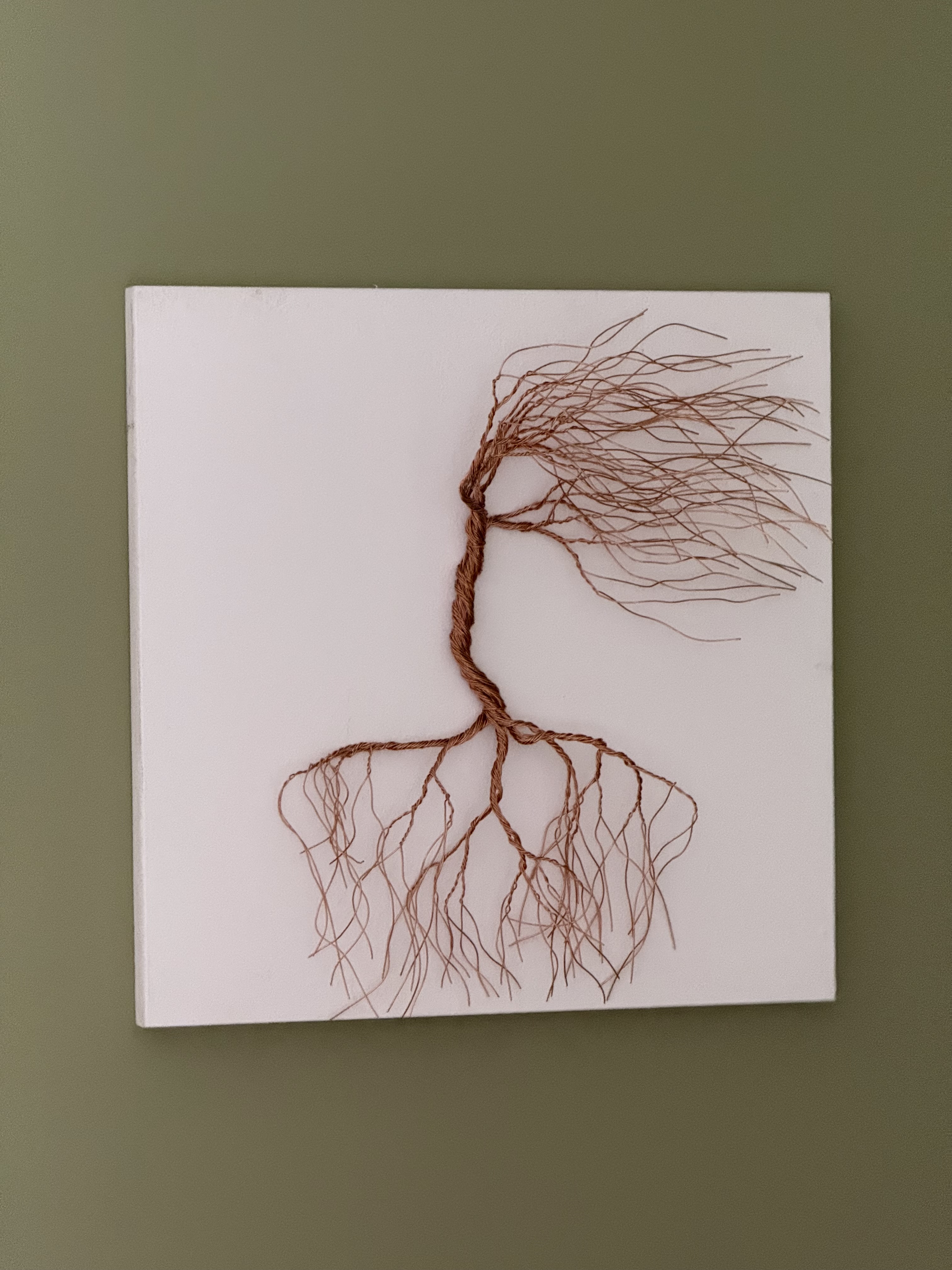
    2. Ashleigh Proud, Sacred Trees leaves

    We love Ashleigh Proud’s work and have it dotted all round our home. Her love of all things natural and the transformation of those ideals into stunning enamel art speaks very deeply to us. We acquired a number of pieces for our bedroom, and the leaves of the sacred trees (an alternative calendar to the zodiac or months) has to be one of my favourites.

    3. Noah Davis Retrospective at the Barbican Centre

    I hadn’t come across Noah Davies before, but I had a spare couple of hours in London this year and spent it immersed in the wonderful and prolific work of Noah Davies, who tragically died very young but produced some wonderful work. This piece called ‘Painting for my Dad’ really spoke to me.

    From ChatGPT: Noah Davis was an American painter and installation artist, born in Seattle in 1983 and active until his untimely death from a rare form of cancer in 2015 at the age of 32. He became known for his deeply evocative figurative paintings that explore everyday Black life through a painterly language that blends realism and abstraction, challenging traditional narratives in Western art. 


    TV

    1. Shrinking S2 & Severance S2
    2. Alien Earth
    3. Pluribus

    Shrinking S2 and Severance S2, Apple TV
    I’ve plonked these two together because they need their first series. Both Apple TV series, they’re a bit more niche, but super high quality. Severance is proper genius level different and intriguing. I kept looking for the same high I got watching the first series, which wasn’t there, but still an extraordinary outing. Shrinking S2 I think built on great foundations, laid by Ted Lasso (same writers and producers I think), developed through S1 and into S2. It’s a smart, funny, human comedy-drama about therapists working through their own stuff as well as helping others that is well worth a watch. 

    Alien Earth, Disney+

    Whereas Alien Romulus was a travesty, using CGI Ian Holm, and the most pathetic stealing and delivery of ‘get away from her, you bitch’, Alien Earth is quite an interesting take on the Alien story. 

    I rather enjoyed the premise of competing corporations researching multiple alien lifeforms and playing with human consciousness and synthetics. Sure, it’s probably unnecessarily gory at times, and some of it is a bit ridiculous, but overall, as a series with something a bit different going on, I thought Alien Earth was good. 

    3. Pluribus, Apple TV
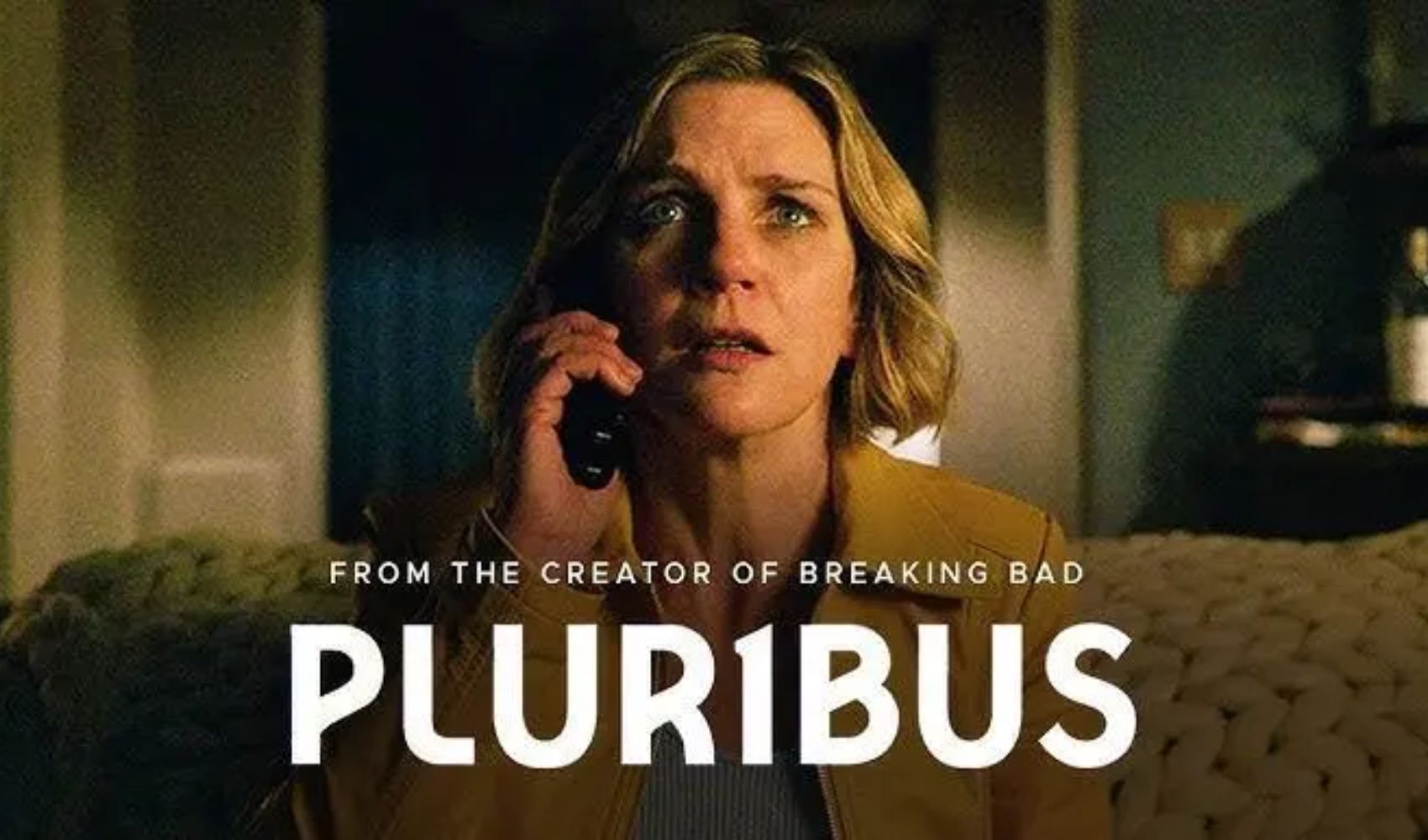
    None of the reviews I’ve seen so far seem to talk about what seems glaringly obvious to me (the joy of artistic interpretation, I suppose?!) – that Pluribus is about the rejection of AI/LLMs. 

    This is the story of how through some virus, all surviving humans become  connected as ‘we’ – sharing the same knowledge, background, information, collective approach – and obsessed with making the remaining non-connected humans ‘happy’. It seems to me that this is exactly the approach of LLMs – gather all the content together and provide it back as an all-knowing voice concerned with making the user happy. It’s also about the unaffected human, a writer, rejecting the desire to give up all her life and data and memories and creativity in order to join. I’m with her. Lots of reviews seems to be disappointed with the pacing, but I’m loving this series. 

    Honourable mentions for:

    • Smoke
    • The Last Frontier

    Film

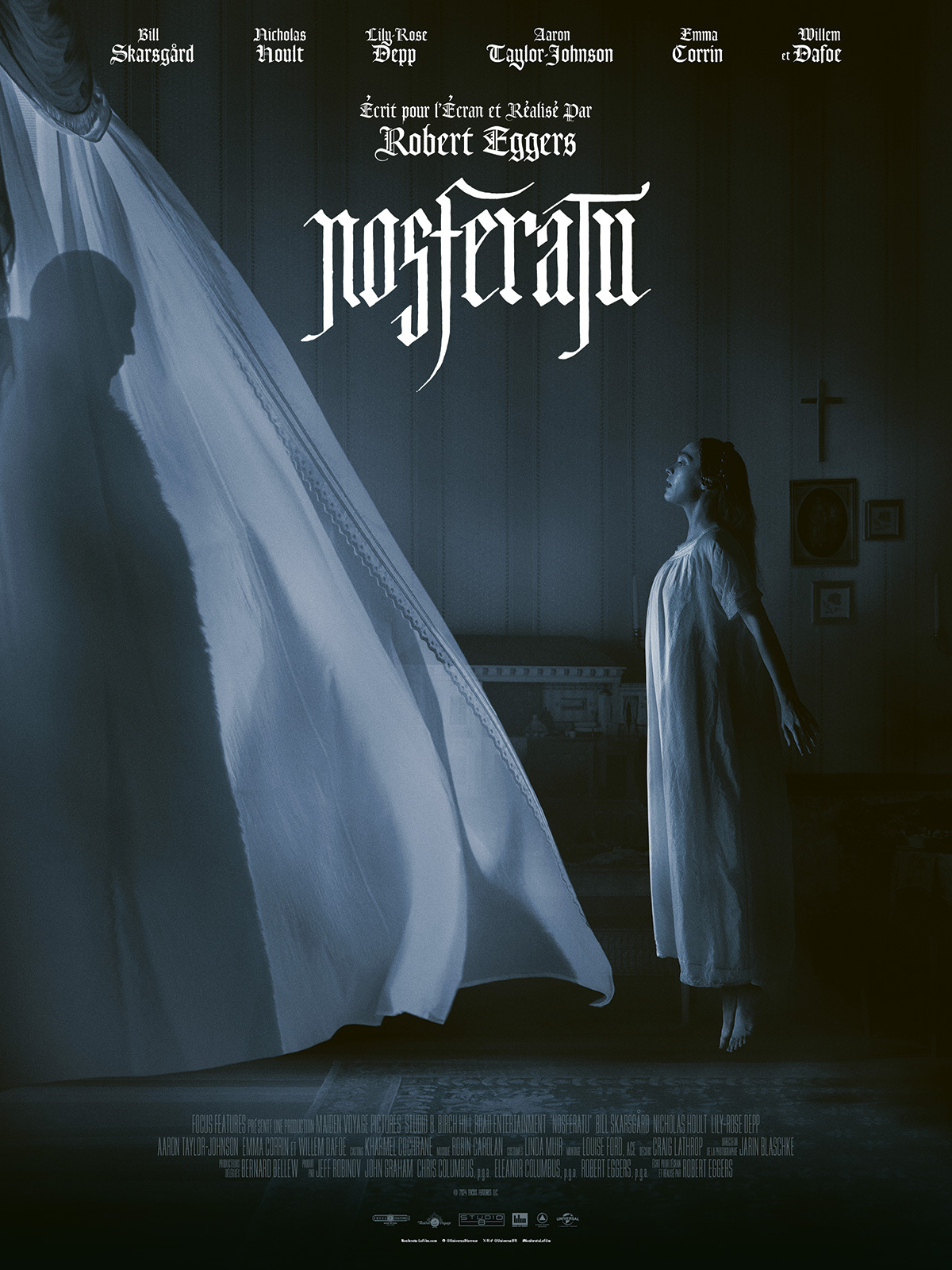
    1. Nosferatu
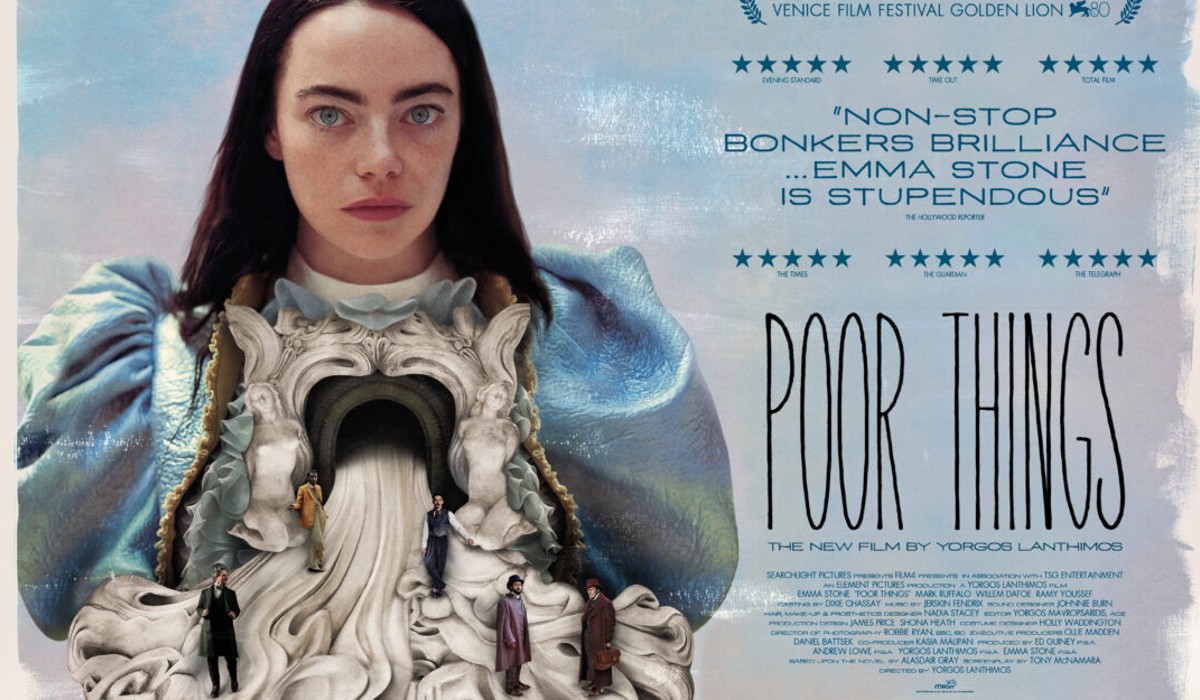
    2. Poor Things
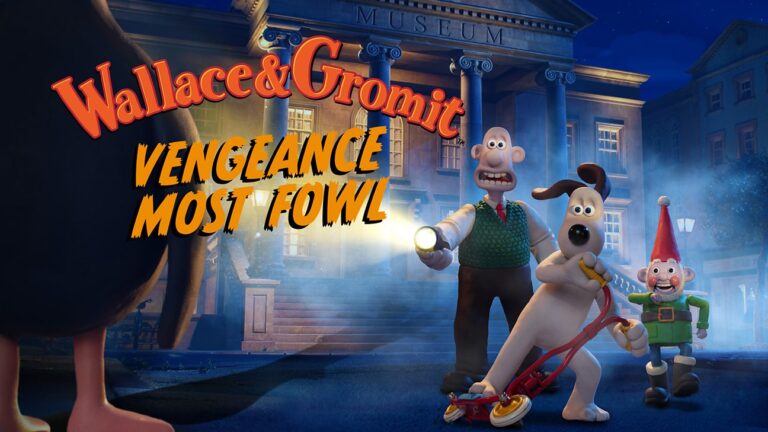
    3. Wallace & Gromit: Vengeance Most Fowl
    Music

    1. Live God, Nick Cave / Wild God 2024
    2. Gumshoe, Samantha Crain
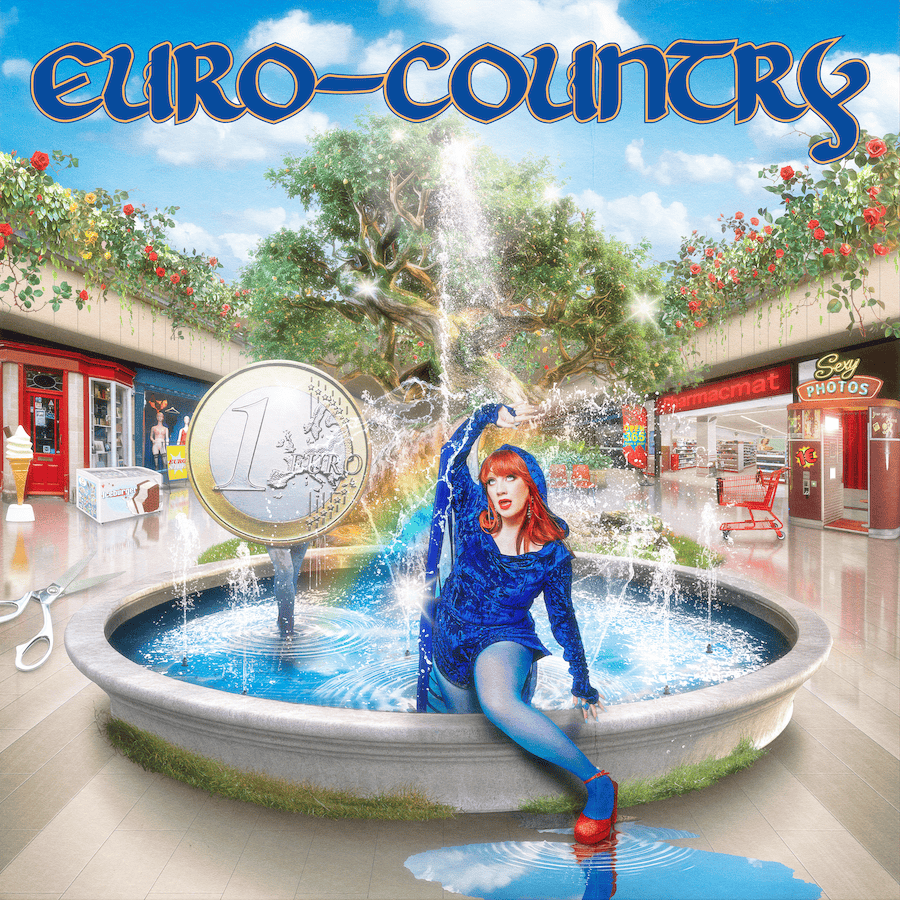
    3. Euro Country, CMAT
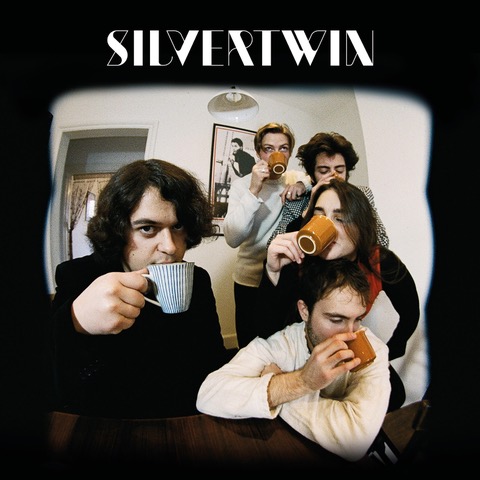
    4. Good to You, Silvertwin 
    5. South of the Circle, Ed Critchley 

    Too hard to just pick three.
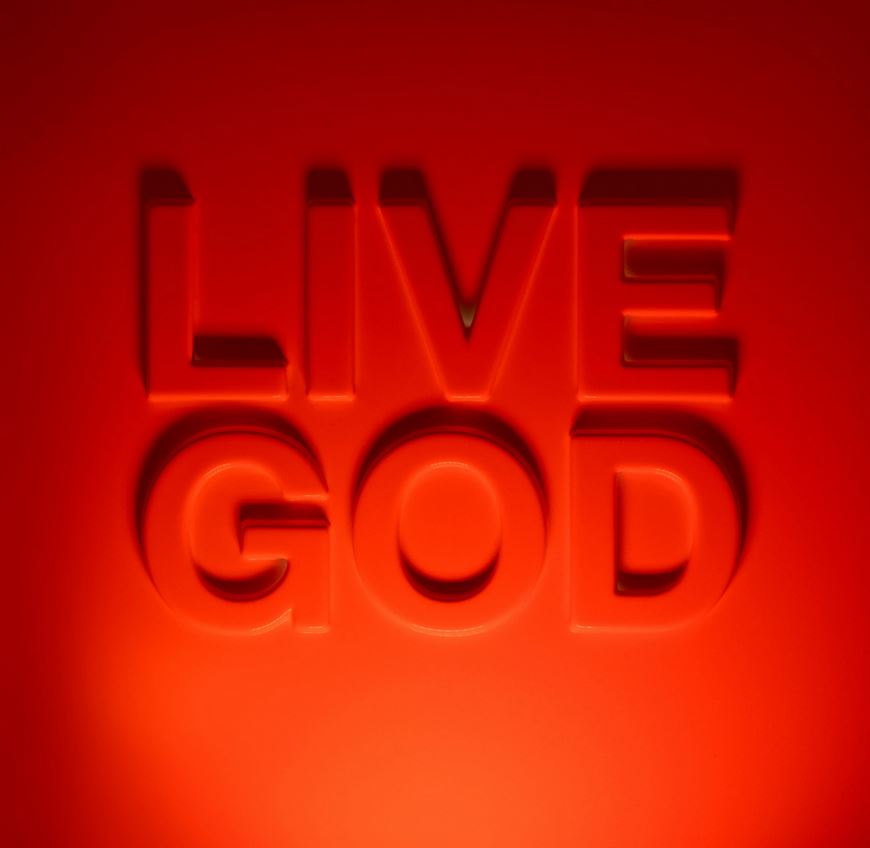
    South of the Circle is proper niche, but I really enjoyed the iPad game when it came out a couple of years ago – primarily for this soundtrack. It’s only just been released and I’m delighted to hear it again.

    That’s it!

    You can probably tell I’ve had something of a gothic horror year in books and film…

    What makes your top threes this year?
  • Rethinking Boundaries: Lessons from the Ashes 🏏

    Rethinking Boundaries: Lessons from the Ashes 🏏

    With the Ashes about to begin again, this time in Australia, I’ve found myself thinking about boundaries. Not just the rope around the edge of the cricket field, but the kind we’re encouraged to set in our personal and working lives.

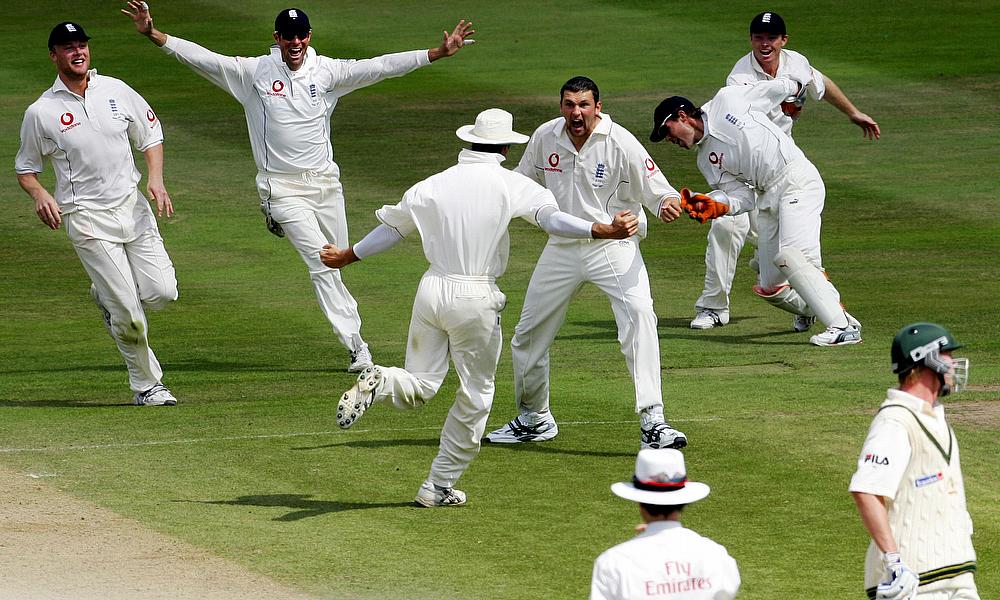
    I loved the 2005 Ashes. I was utterly absorbed, listening to Test Match Special, watching as many deliveries as I could as England snatched that unforgettable victory from Australia. I remember one of my friends sharing his love for cricket by saying “It’s such an amazing game: you can play for five days and come out with a draw”.

    But as the Ashes has come around this time, the idea of boundaries has been playing on my mind in an unexpected way.

    Boundaries everywhere…except in cricket

    We’re encouraged, rightly, for the most part, to set clear personal boundaries which are healthy. Gen Z in particular is frequently praised for being better than previous generations at setting and holding them. When we understand what is acceptable to us and what is not, we create the conditions to flourish.

    Most sports reflect the same logic. Boundaries define the limits of play and help maintain control. Step outside the line in rugby, football, netball, basketball, or hockey, and play stops. The boundary represents the edge, or the point at which play halts and the boundary-crosser loses control.

    Cricket inverts this logic. 🏏

    In cricket, breaking the boundary is celebrated. If the ball reaches it along the ground, the batting side earns four runs; if it sails clean over, they earn six.

    The boundary isn’t a barrier…it’s a marker of success!

    Where most sports insist you stay within the lines to keep playing, cricket rewards you for going beyond them.

    A different kind of limit

    That swap feels worth exploring. It suggests that not all boundaries exist to constrain us. Some are meant to be crossed. Some show us what success looks like.

    Think of hierarchical boundaries, policy boundaries, cultural boundaries, or the quiet habitual boundaries we rarely question. Some are essential and protective. Others are flexible. Some are assumptions hiding as rules. And some, perhaps, sit far too close to us, defining a comfort zone we’ve mistaken for a limit.

    Cricket illustrates this beautifully. When a ball is clearly racing away towards the rope, commentators often say the fielders shouldn’t bother chasing. It’s gone too far. The runs are already earned. The boundary, in that moment, is not an obstacle but a signal of achievement.

    The long game

    I’m not advocating a Bazball approach to life – swinging wildly in every direction in the hope of racking up runs. Like Test cricket, life usually needs a blend of patience and ambition. Sometimes we play a defensive shot. Sometimes we take the single. And sometimes we take a lovely cover drive that carries us beyond the rope.

    In a Test match, the game unfolds over long periods of time, with momentum shifting subtly over hours or days. Success isn’t just about bold strikes, it’s about understanding the game’s rhythm.

    So perhaps the question isn’t: Should I have boundaries?

    But rather: What kind of boundary is this – and what is it for?

    Useful boundaries, debatable boundaries, and the ones worth playing with

    I know from experience that clear personal and professional boundaries support my wellbeing. They help me focus, recover, and make thoughtful choices.

    But it’s possibly true that some boundaries deserve scrutiny.

    Some are rigid and non-negotiable, some are assumptions we inherited, some mark the edges of our fears rather than our true limits.

    Some are there to protect us and some might just be pointing us towards what success could look like—if we dared to push further.

    A thought to take into the Series

    As we settle into another Ashes series of five days, five matches, and all the drama, there remains an intriguing paradox: Cricket is played within boundaries…yet it celebrates the moments when those boundaries are crossed.

    Perhaps the same is true in life? Not all lines are drawn to keep us in – sometimes they show us how far we can go.

    P.S. I’ve taken a different approach to writing this blog. I did lots of rambling into a voice note and refined it with an LLM. Then I’ve polished it and put my own ‘spin’ back on it. What do you think?

  • Have you caught yourself throwing away this damaging phrase?

    Have you caught yourself throwing away this damaging phrase?

    I’ve been hearing a phrase quite a bit lately, and it’s been on my mind. It’s a short, simple phrase that you might recognise, often used casually. But it’s really bothering me because it seems to touch on something deeper that we should be mindful of.

    The phrase is ‘soul-destroying’.

    I’ve noticed that people often use it when talking about work-related activities or environments. It can refer to physical environments, like rooms without windows, or cultural environments, such as oppressive leadership styles.

    I’m really concerned that people might use this phrase so lightly. What it describes is the erosion of our essence, our soul, our humanity. To do something that could potentially threaten who we are regularly, due to expectations, requirements, culture or necessity.

    It’s quite possible that people don’t mean anything as upsetting as this. They might be using it as a way to say, ‘I don’t really enjoy this part of my job, but I can put up with it’. Which might be better described as ‘a bit annoying’ or whatever phrase works for you. We use it to self-deprecate ourselves and apparently put others at ease with a shared sense of misery at work. Well, that sounds unhealthy.

    Because if we say it and mean it, that’s dark. That’s acknowledging that we are choosing to do something that destroys our soul. That turns us into automatons, lacking in humanity, joy, love and care. Ugh. I don’t want that.

    Compare this phrase with an expression I saw the other day at the park. On a morning walk through the park, I saw a car pull up. Out came two people—a small toddler and, I assume, a grandparent. The child, seeing the park, literally jumped for joy, pumped his fists in the air and cried ‘YAY YAY YAY!’. Unbridled joy. Soul-enhancing delight.

    That’s what I want for you all.

    To catch those self-deprecating phrases that undermine who we are and what we offer as humans, and instead, spread a little soul-enhancing delight.

  • Stop the Arsonists: Better Leadership for Burning Workplaces

    Stop the Arsonists: Better Leadership for Burning Workplaces

    “I’m always firefighting. There’s no time to think.”

    I can’t remember the first time I heard this phrase, but I hear it A LOT – particularly when I’m coaching senior leaders in transformative and project leadership roles.

    And whilst evocative of modern time-management (or lack thereof) has to be a better way, right? Well this got me thinking, and a confluence of three things sparked this blog:

    1. Someone using this phrase in a coaching session…again!
    2. Reading about systems thinking.
    3. Watching the Apple TV+ show, Smoke.

    A bit of context about each, and then the thought…

    The phrase

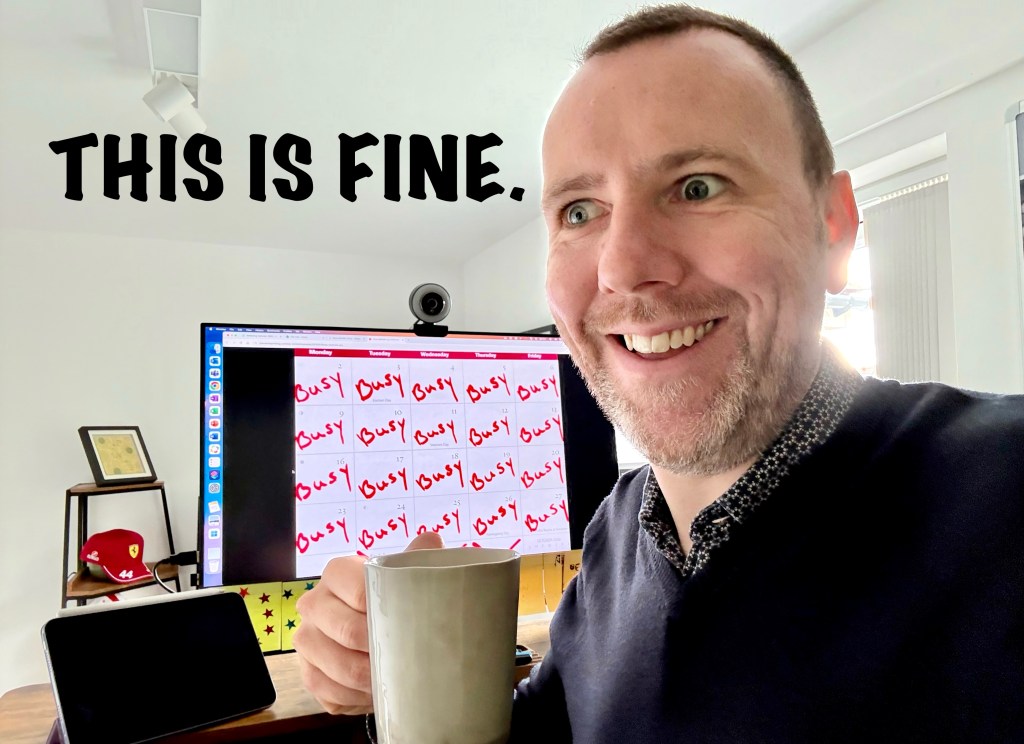
    It paints a clear picture…or we can all think of the meme with the cartoon dog in the house that’s on fire saying ‘this is fine’…everything’s going a million miles per hour and we have to move from one crisis to the next, urgent to urgent to urgent – never doing the important things we promised ourselves we’d do, like strategic thinking, self-development, 1:1s with others, improving processes, etc.

    Systems Thinking

    This is something that I’ve dabbled with on and off for years. In the first instance, I didn’t really get it. Someone sent me a video of blobs moving around rectangles and said ‘I think you’re going to love it’…

    More recently, I’ve come to understand more about systems and how interconnected everything is – that is, whatever happens may be as of a result of something else far away in the system, or whatever we do may have far reaching and unintended consequences on the wider system. And that, traditionally, when things go wrong people tend to analyse; that is, break the problem down into smaller and smaller constituent parts – e.g. an app fails and analysis tells us a line of code needs rewriting, whereas Systems thinking asks us to synthesise, or to look up at the wider systemic nudges that may cause the problem – e.g. an app fails because of management pressure to ship fast on smaller budgets.

    Smoke

    This is a show on Apple tv+ about a fire scene investigator partnering up with a cop to identify and catch two serial arsonists. No spoilers, but it’s far more compelling than I thought it might be to start with. The fire scene investigator character, played by Taron Egerton, often delivers talks to trainees about the chaos of fire and being prepared.


    The confluence

    This got me thinking, if a fire kept happening in the same place, you wouldn’t want to keep relying on the fire brigade/department to come and put it out…you’d solve the reason why the same thing kept happening…so why don’t we do this at work when people describe their entire jobs as ‘fire fighting’?

    I can’t imagine a fire fighter loving having to revisit a scene time and time again if a fire keeps getting ignited there – they’d want to put some other measures in place – systemic changes – sprinklers, better equipment, arrest the arsonists, create escape plans.

    This approach could apply to the highly flammable systems in the workplace because it’s not ok to perpetually expect colleagues to be fire-fighters – presumably we want them spending their time adding value and putting their hard-won skills and experiences to work rather than rushing around, meeting to meeting, putting out things that have gone wrong.

    Setup Sprinklers

    In the immediate term, a knowledge-work equivalent of the sprinkler system might need setting up. If a fire keeps breaking out, having something to immediately dampen it down might be a reasonable temporary solution. In our imagined knowledge-work based equivalent, maybe that’s a standing meeting, decision forum, Andon Cord, or emergency WhatsApp channel that can be triggered straight away to solve the biggest crises and challenges.

    Improve Equipment and Systems

    The system is broken if fires keep breaking out. The system needs fixing. In the same way that if a restaurant kept catching fire they might need some better quality ovens, in our knowledge-work environment, we need higher quality systems that avoid these fires breaking out. Maybe it’s visualising all the work that’s going on so that people can see a potential fire brewing. Maybe it’s limiting work in progress so that more work can’t be shoved into an already overloaded system. Maybe it’s building in slack, recovery, creativity time into work.

    To continue the fire metaphor, sometimes a fire-break is required in order to break the spread of the chaos and put new systems in place and so it may be with our work systems. It’s not ok that colleagues describe their working days as perpetually being on fire, we have to find better systems.

    Arrest the Arsonists

    If you’re the fire fighter in this scenario, then I’m going to assume it’s not you lighting the fires…you keep putting them out. So who IS lighting them? Stop them. Take their jerry cans of fuel away.

    If it’s people adding stuff to your plate, check out the No Repertoire from Greg McKeown; if it’s people bringing you down, stop spending time with them; if people change their mind every five minutes, perhaps introduce something like the RAPID decision-making framework and force people to take some responsibility.

    Develop Escape Plans

    And, if it can’t be prevented, fire breaks out – then you need an escape plan. Getting away from your desk for a minute to assess the situation, having a friend to call, taking a holiday, going for a walk all may be release valves for dealing with these situations.

    There’s a reason firefighters have to have breaks and spend a lot of time training – it’s not tenable to be doing it all the time. And it isn’t for us either. We need breaks, we need training, we need recovery if we’re going to have to fight fires at work.

    These are some ideas I’ve been kicking around on firefighting. What other techniques could people try to change the system and stop the arsonists?

  • Back to nature and back to sketching

    Back to nature and back to sketching

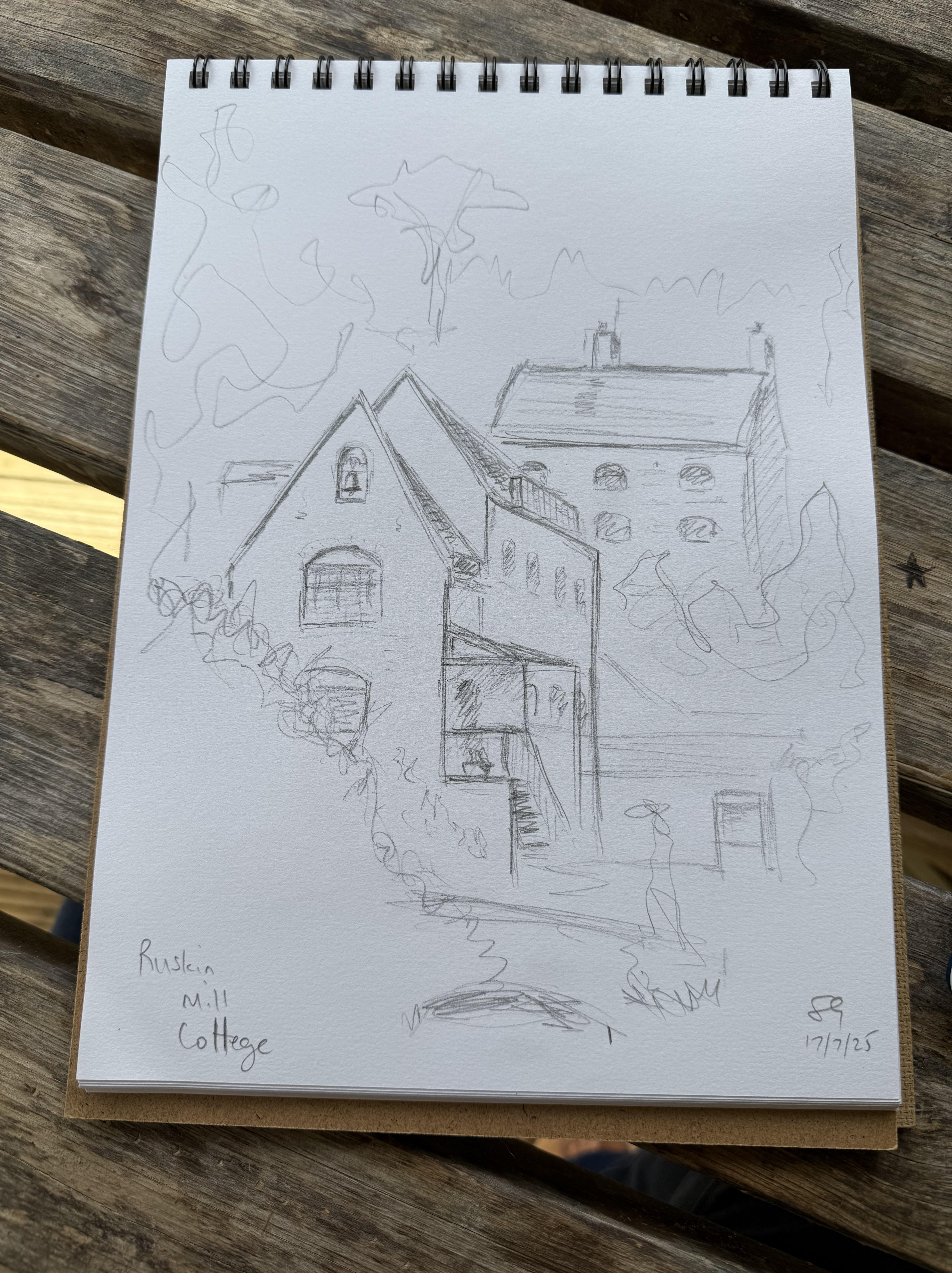
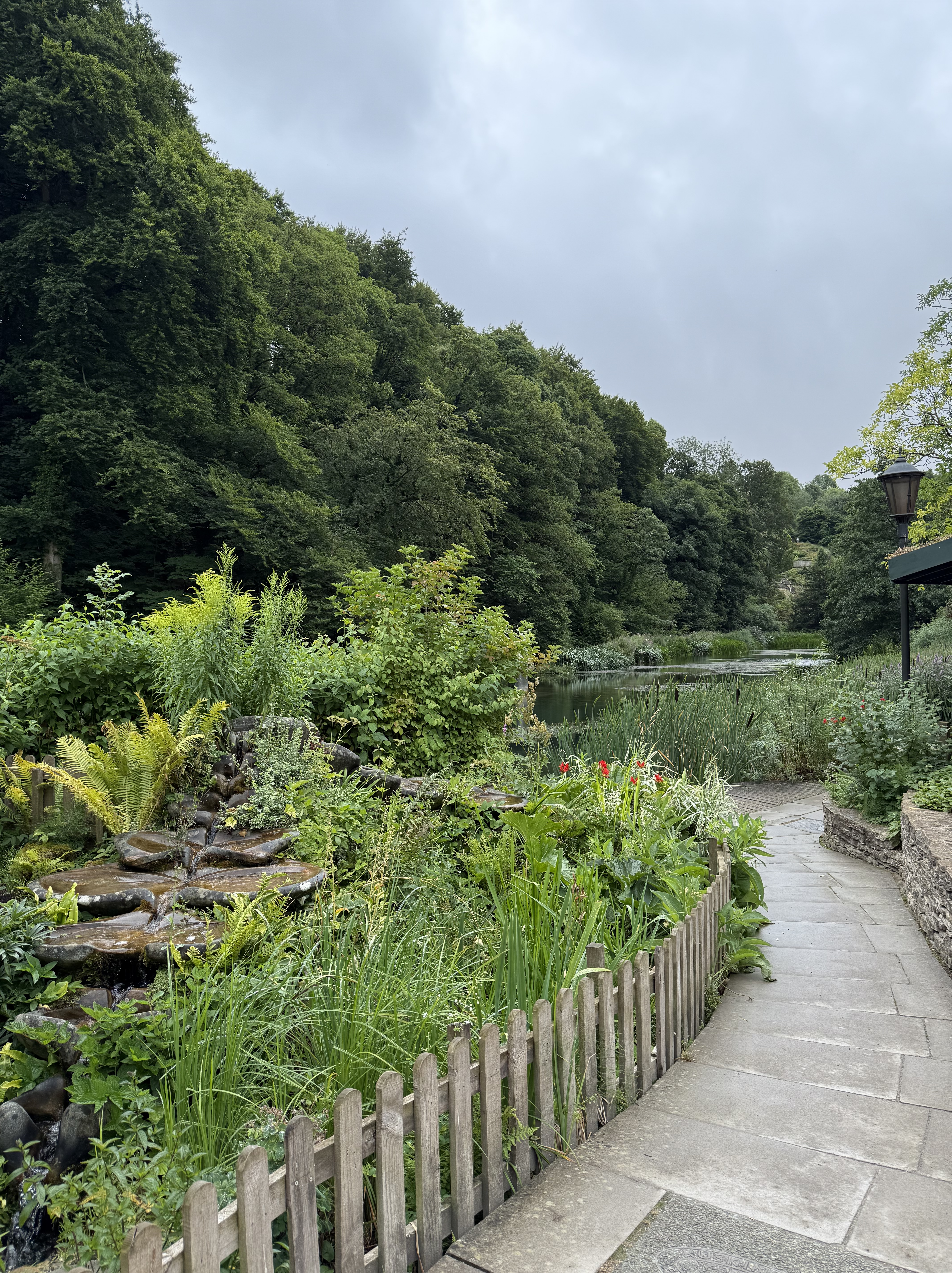
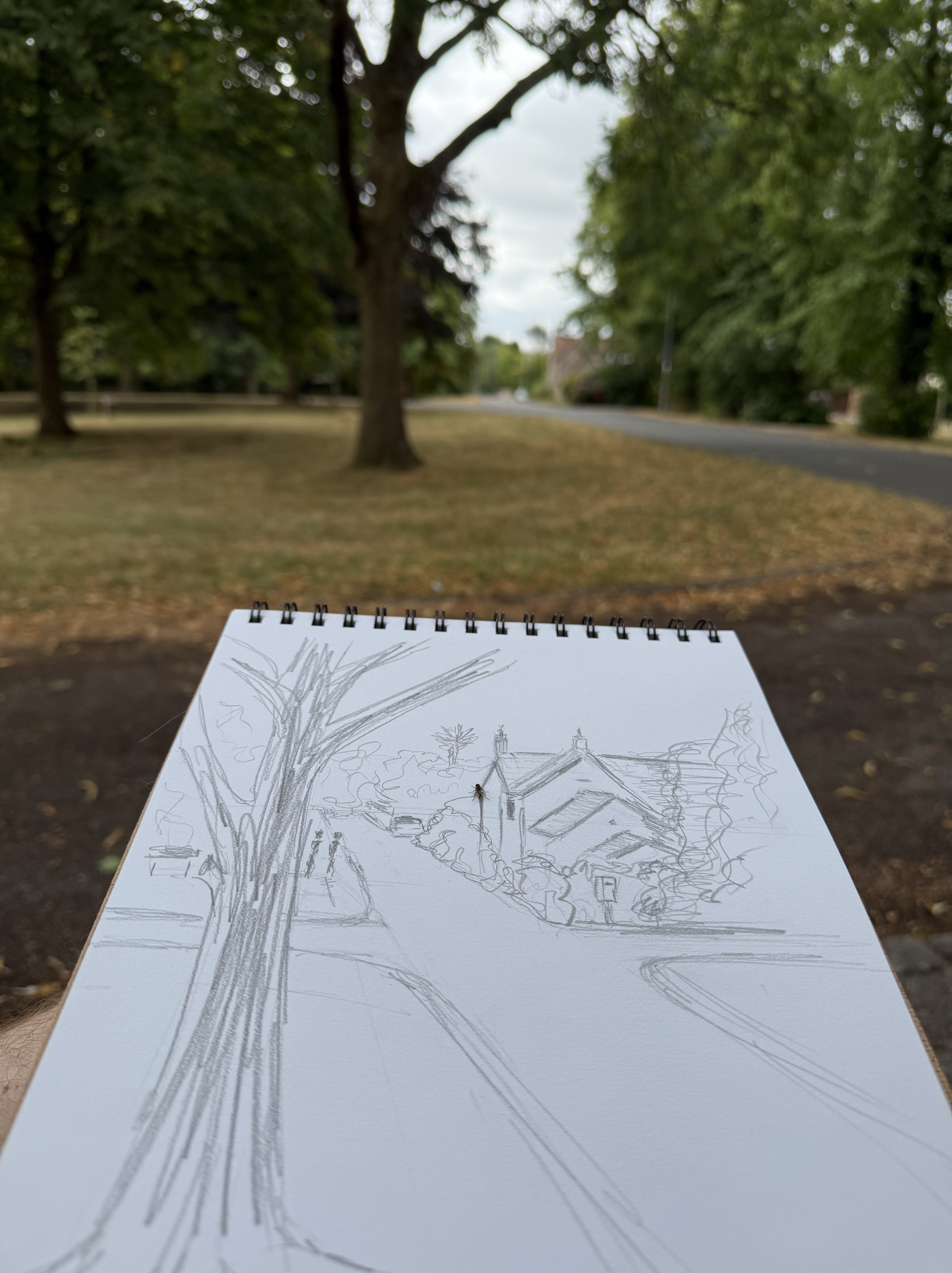
    Thought I’d take a couple of days off to wander round in nature and do a little sketching.

  • We’ll need to get better at thinking.

    We’ll need to get better at thinking.

    As soon as ChatGPT started to take off, I started saying,

    We’ll have to get better at thinking. We’ll have to start thinking more deeply and think harder if we want to stand out and succeed.

    Turns out, it’s even more dramatic than that!

    Excessive use of ChatGPT is rotting your brain! Fact.

    A fascinating study, just released from MIT, shows that excessive use of ChatGPT is actually reducing the quality of cognitive function.

    Research shows that LLM users consistently underperformed at neural, linguistic and behavioural levels when performing writing tasks.

    • Neural: EEG brain studies found that there was a 47% reduction in brain activity with heavy ChatGPT users. Their brains were using 47% less neural connections when they were writing with the model.
    • Behavioural: 83% of heavy model users couldn’t quote anything from what they had just written, compared to about 10% from using no technology to write.
    • Linguistics: neutral analysis found that writing with LLMs was ‘soulless, empty, lacking individuality, typical’.

    Listen to this great podcast with Cal Newport and one of the writers of the study, Brad Stulberg, to get the full picture.

    They use writing as a proxy for thinking as it is a cognitively hard task requiring lots of neural, linguistic and behavioural levels. It is, in essence, one of the ways we make sense of our thoughts. To put them to paper. And we are increasingly outsourcing our thinking to LLMs.

    They use the metaphor of physical fitness to make sense of the use of LLMs in writing: using LLMs being the equivalent of taking a forklift truck to the gym – sure, you go to the gym, but you don’t get the physical benefits. Or munching on junk food as the equivalent of consuming TikTok videos. It’s a good metaphor that they continue by coining the term ‘cognitive debt’ and even start to consider the possibility of a cognitive obesity crisis equivalent in the future.

    It’s incredible to think that brain function decreases by using and relying on LLMs. We’re not absorbing what it puts out and building new understanding, we’re actually losing our ability to think and reason!

    It’s a massive warning to those companies pursuing LLMs in everything – particularly for their own workers. In essence, you’re reducing the quality of thinking in your workforce if you promote high use of LLMs in solving the company’s challenges.

    This is where something like Time to Think comes into it’s own. It becomes the kind of ‘cognitive gym’ that Newport and Stulberg talk about in the podcast. It’s a protected way of being that encourages the very highest quality, independent thought. It’s going to become essential.

    I said it before, and I’ll say it again – we’re going to need to get better at thinking. We’re going to need to practice it more. We’re going to have to go deeper and harder with our thinking to flourish and thrive as a species.

    I’m not afraid of that. In fact, I welcome it. If you want to think with me, get in touch.

  • Sam vs. the LLM: A Coaching Scorecard

    Sam vs. the LLM: A Coaching Scorecard

    In the last 24 hours, I’ve discovered both a validating limitation and a powerful liberating use of LLMs. It’s not all good or all bad—sometimes it’s both. I’d like to share these stories with you.

    Coaching: the human advantage

    One of my clients had been using a popular LLM to do a bit of self-coaching to work out what he wanted to do next. He’d become a bit fed up with his current role after a couple of years, and was looking for change. But because he’d become part of the furntiure, he couldn’t really remember what fired him up. So he went looking for answers through an LLM. Interestingly, the LLM explored what he didn’t like about roles in order to build a profile of what he should be looking for. A fine enough approach – and one I might have taken myself as a coach. But what he came out with (and what so often comes out of LLMs) is a very generic sounding list of ‘you sound like you might find project management satisfying’.

    When I was coaching him through this, and listening deeply, I noticed that actually there was an underlying lack of feeling being expressed. He would talk about his out-of-work sporting endeavours with a smile on his face, energy in his body language, and spark in his eyes. He would talk about work as ‘quite enjoyable’, or ‘quite satisfying’ with that very rational list of things we all do to justify why something is ‘fine’ or ‘ok’. The LLM couldn’t experience the energy, so came up with something generic.

    As two humans interacting, we tapped into the energy and started to map out a compelling map for his next decade.

    Sam 1 : 0 LLM

    Refining an OKR: the LLM advantage

    The second example involves using an LLM to refine an OKR for a piece of new work. OKR stands for Objective and Key Result. I often frame these simply as:

    Objective: what do you want to be better or different?

    Key Results: what would be the result of that?

    I had some alright starter thoughts and context which I put into the LLM. Although this time I’d been reminded that, of course, LLMs don’t ‘run out’ of ideas. I’d assumed that I would put a prompt in and it would generate the single ‘best’ answer. But it could write OKRs all day if I wanted it to.

    So I asked it to come up with 10 versions of the OKR that I’d written. And without breaking a sweat – because it doesn’t sweat – but it probably is environmentally damaging – sorry – it came up with ten versions.

    I could then pick the best Objective and Key Results for the work based on my understanding.

    Spoiler – they weren’t all from one version, neither were they from the first version.

    Next time you want to come up with an improvement using an LLM – ask for loads of them and pick the best ones.

    Sam 1 : 1 LLM

    A fair match, played to our strengths.

    PS – I wrote this myself, not with an LLM. Although I did ask the LLM to come up with 20 titles. This is the one I chose.

    PPS – I have permission from the coaching client to share his story.

  • Cars Got a Production Line. Knowledge Work Needs Something Better

    Cars Got a Production Line. Knowledge Work Needs Something Better

    If I were to say to you, “You know what would be a great way to build a car? Put all the necessary parts in the middle of the factory floor, scattered around the chassis, then ask each person to grab their tools and come up and do their bit,” you’d think I was crazy.

    And yet, this is how most knowledge work projects seem to be organised.

    We plonk a project or a challenge in front of a group of people and say, “You’re a team now. Work as a team. But you’re autonomous and self-organised. Get the things you need, meet when you want, produce results.” And for some reason, we think that’s going to work well.

    I know knowledge work is producing something different to a car. It’s often based on transferring hard-won skills, knowledge, experience and understanding, through deep thought, analysis, categorisation, and problem solving, into something outcome-based.

    So why the parallel?

    Because the current way isn’t working.

    The breakthrough in the early twentieth century of the ‘Production Line’—where the team workers stayed still and pulled the car chassis to their station along a pre-determined production route when they had capacity—increased productivity many-fold. Scraping my memory banks, I think early cars used to take something like 12 hours to build in the ‘craft’ model (as I described in the opening). Come the Production Line, it was less than 1.5 hours.

    Knowledge work is still fumbling around in the 12-hour mark. There hasn’t been, in many industries, the significant leap in productivity. Research from Asana shows that knowledge workers spend around 60% of their time on ‘work about work’, not productive tasks. Surprised? Me neither.

    This is nothing to do with hybrid, remote or office working. This is nothing to do with four-day weeks. This is to do with clear outcomes, clear ways of working, and removal of distractions.

    What Happened to Autonomy?

    The term ‘knowledge work’ was first popularised by Peter Drucker in the 1950s and 60s. He later observed in the 1990s:

    “Knowledge workers must be autonomous. They must know more about their job than anyone else in the organisation. For this reason, they must be responsible for their productivity and quality of work.”
    Peter Drucker, Management Challenges for the 21st Century (1999)

    I propose a distinction between autonomous process and autonomous fulfilment—or, to put it another way, productivity and quality.

    Autonomous, self-emerging productivity processes, in the current climate, seem to lead to people fumbling around, sending lots of emails, messages, and meetings. It isn’t clear who’s doing what or why. See Cal Newport’s definition of the Hyperactive Hive Mind, where unscheduled communication via emails and instant messages dominates the workday, undermining focus and flow.
    Cal Newport, A World Without Email (2021)

    Process should be observed, crafted, and continuously improved. Like the Production Line.

    How we get things done is where autonomy should remain—to ensure quality. When the work is in my court, let me work out how to play it to achieve the outcome to a high standard, using my skill as a knowledge worker.

    A Lean-Inspired ‘Production Line’ for Knowledge Work

    A great knowledge work ‘Production Line’ equivalent will come from Lean thinking. This could include doing things like:

    1. Map the steps currently taken from trigger/request through to value fulfilment.
    2. Limit how much work can sit in any one part of the process—less is more.
    3. Set entry and exit criteria to ensure quality at each step.
    4. Pull work into your step only when you have capacity—never push.
    5. Observe delays or bottlenecks (often approvals or key-person dependencies)—can you redesign, eliminate, or scale them?
    6. Continuously improve the system based on what you observe.

    I’ve tried this many times over the years. I remember one Marketing team who did this and reduced the time it took to produce campaigns by about 20%, improved the quality, and were able to experiment more often to see what landed best with audiences.

    It works.


    So… How Is Your Organisation Running Knowledge Work Projects?

    Is everyone standing around the work in the middle, trying their best but delivering little?

    Or is your work flowing—clear, limited, and effective?


    References

    • Drucker, P. F. Management Challenges for the 21st Century (1999)
    • Newport, C. A World Without Email (2021)
    • Asana. Anatomy of Work Index (2022). https://asana.com/resources/anatomy-of-work
    • Womack, J. P., Jones, D. T., & Roos, D. The Machine That Changed the World (1990)
  • I had a dream… and now I have a published play!

    I had a dream… and now I have a published play!

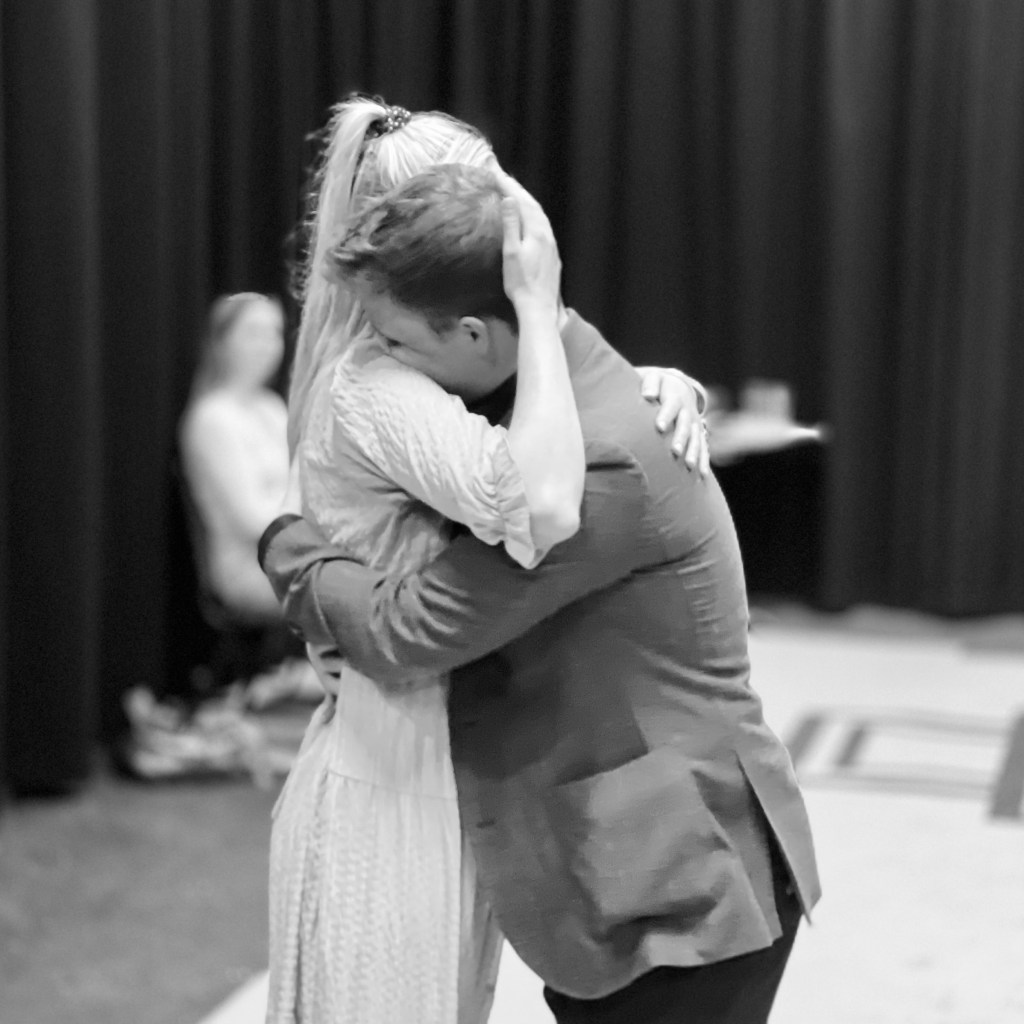
    A couple of years ago, I was running my theatre company’s writing group and I had to come up with something for a workshop we were running that week. I had no idea what do write – until I had a strange dream one night about being chased through a hotel lobby by a couple of goons in suits. That’s it!, I thought! That’ll be the scene…but, I continued, I’ll also acknowledge that it’s a dream. The character can ‘wake up’ at the end and stumble into reality…or another dream.

    It was a fun device and worked well for the workshop. So well in fact that I thought I should do more with it. I scrawled down some ideas from dreams and started to plot out some characters. I knew I had a couple of long flights ahead of me so, in a partial, dream-like state, I pounded out several thousand words of a play. Some scenes were dreams, some were ‘real’, some were short, others long. I was relatively pleased with it, so I took it along to the writing group for some feedback.

    “It doesn’t have a plot.”

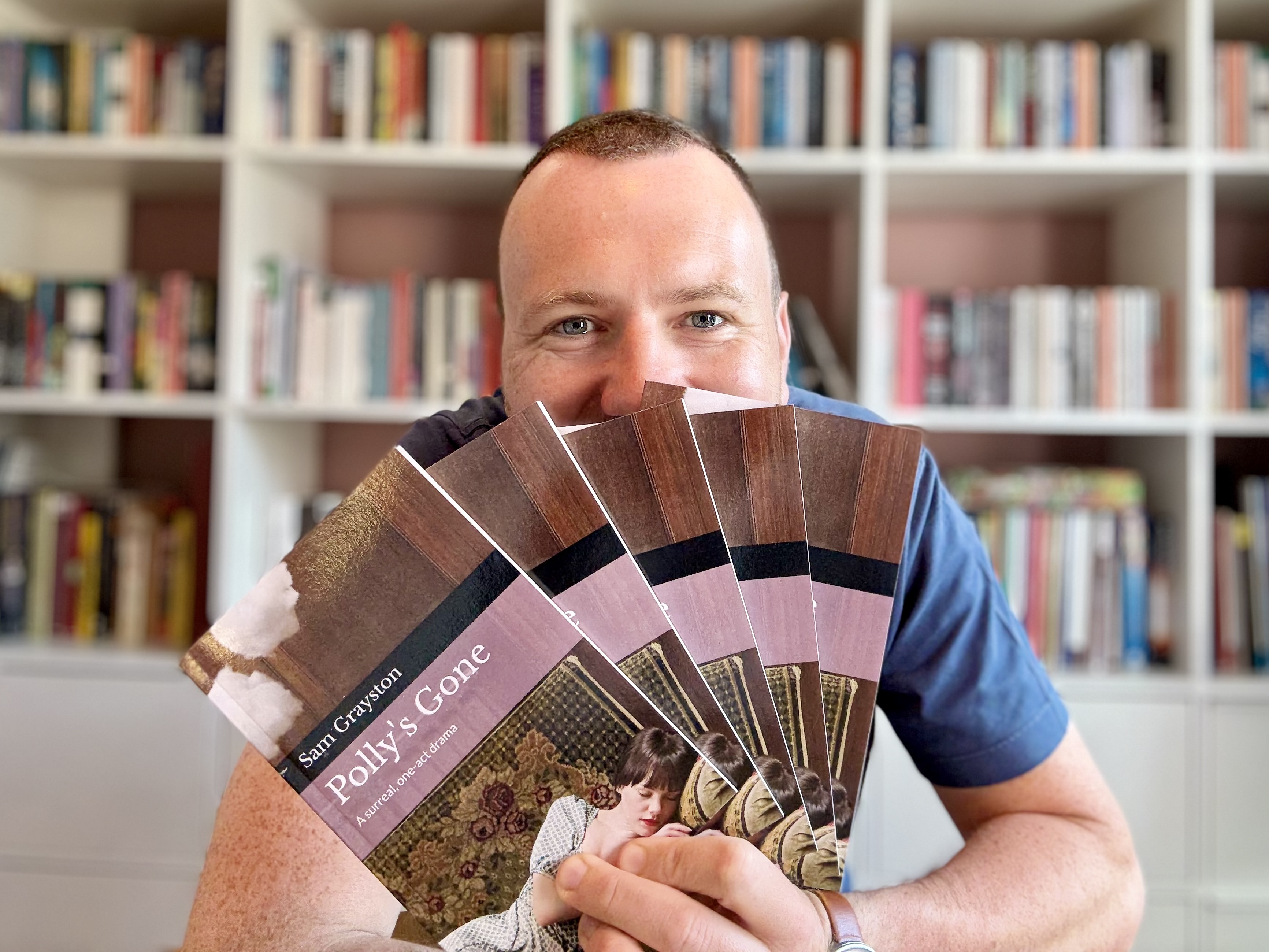
    Yes. About that. Well, that was one of the sharpest pieces of feedback. But they were right. It was a collection of scenes that didn’t really go anywhere. So I made some choices about the arc of the play and the characters, did some heavy editing, and ended up with Polly’s Gone: a surreal, one-act drama.

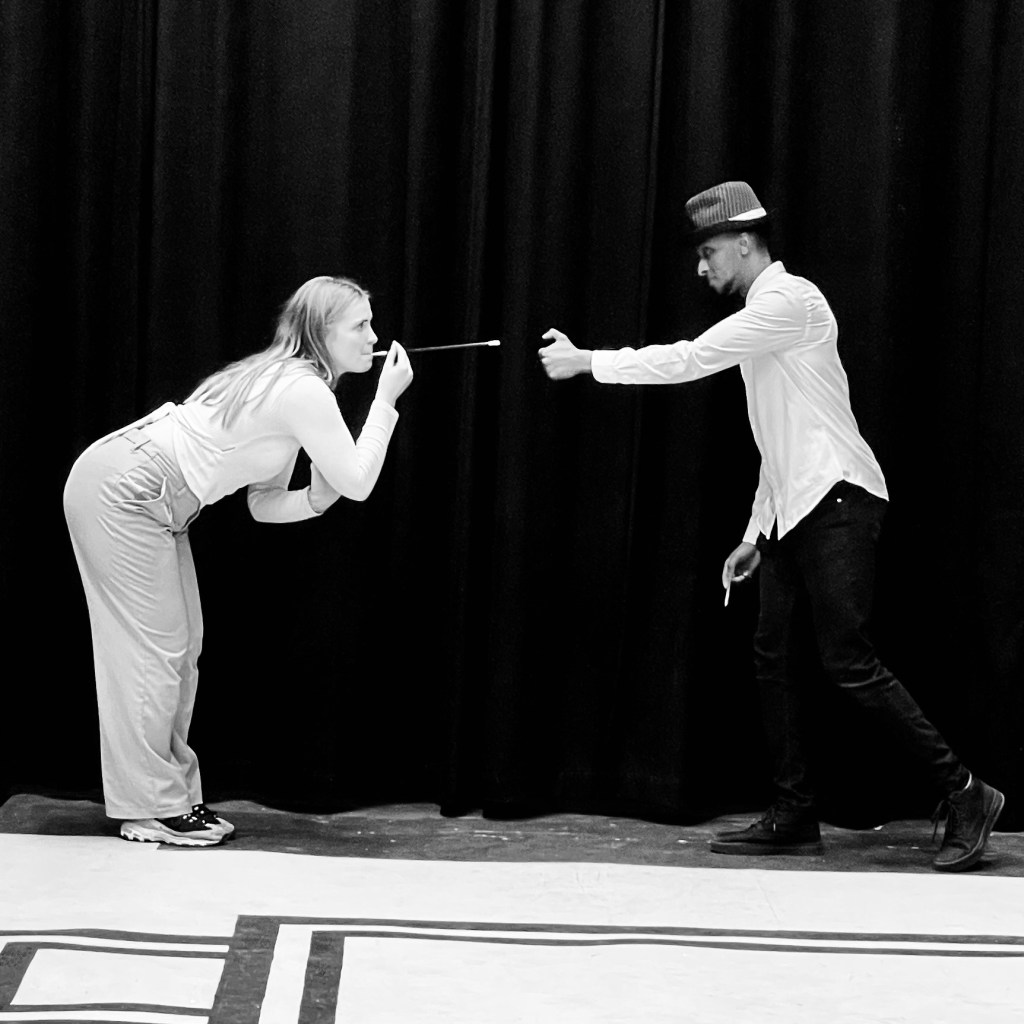
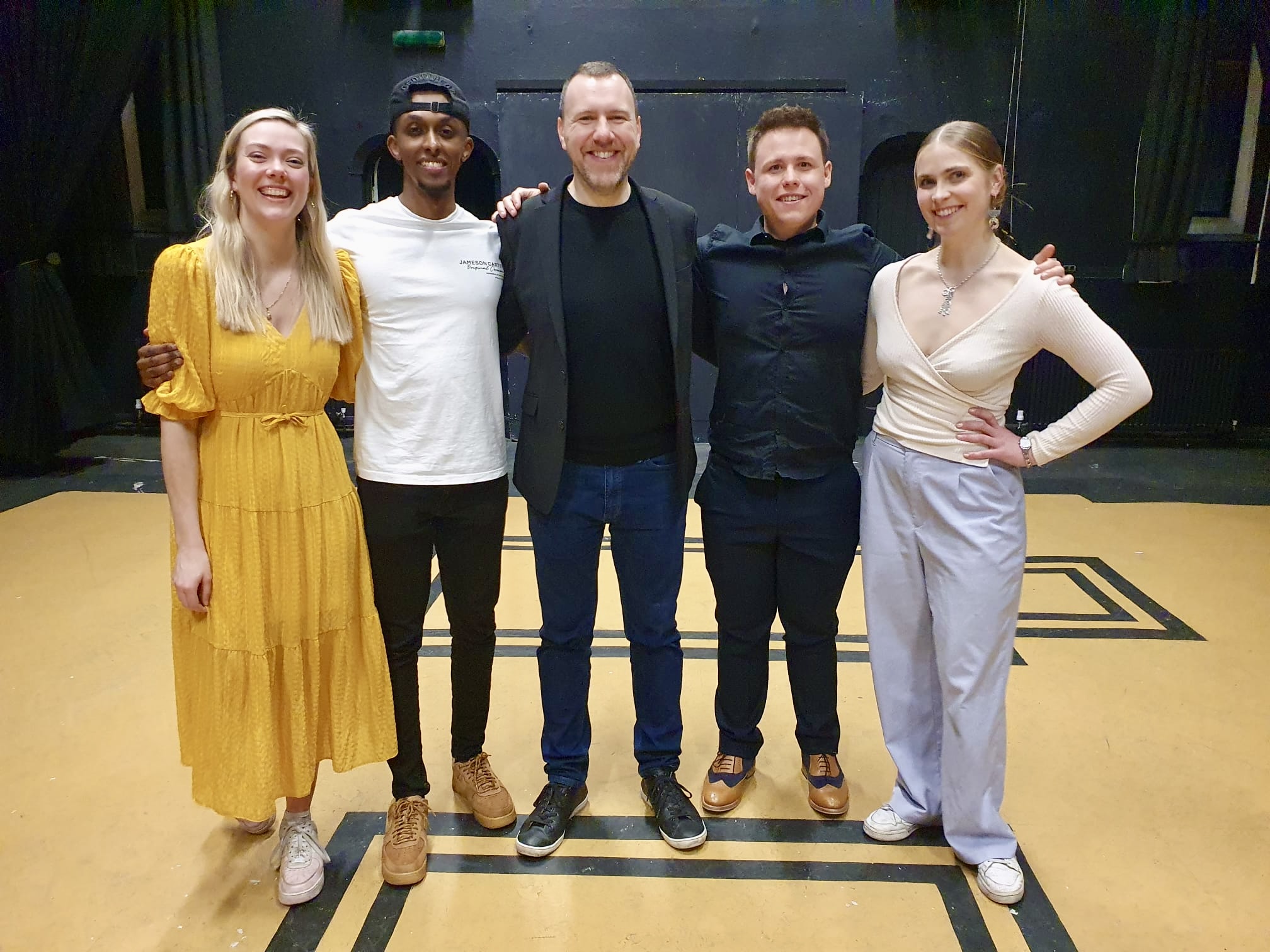
    We previewed it through a script-in-hand ‘rehearsed reading’ and workshopped some more ideas before finally producing it for the Bristol One-Act Festival in 2024. We won a couple of acting awards, which was great for the company. I loved working with the team to bring this play to life.

    The play sparked lots of discussion from the audience: what was real or imagined, how did it end, what would happen next? And for a time, I did debate writing a part two or the second half of the play. In the end, I decided to leave it as a one-act. There’s no more to be said in this story.

    One of the things I love most about theatre is it’s transient nature. It comes and it goes. Unlike any other artwork, there is no artefact beyond the memories of the actors and audience (photos notwithstanding). And maybe it is getting older or something, but I wanted to have an artefact for this play – some sort of legacy, physical, thing – to hold in my hands and say ‘I made this’.

    So I’ve published my play.

    It’s available now on Amazon right now! And I’m very excited to have a physical copy in my hands! Kindle version available too.

    If you want to know what the play is about, here’s the pitch:


    Many, many thanks to my good friends who got involved in producing this play and for coming to see it and support our work. It means a great deal to me.

    And now I can say I’m a published author. What fun!

  • 25 Lists for a Meaningful 2025: Reflection and Planning

    25 Lists for a Meaningful 2025: Reflection and Planning

    The start of a new year is the perfect time to think ahead. While I’m not a big believer in New Year’s resolutions, I do find value in using lists and prompts to set out what matters to me. Each year since 2021, I create a series of lists that help me prioritise, reflect, and plan. Every week or two, I revisit these lists to check my progress and make adjustments.

    Here are the 25 lists I’m compiling for 2025:

    Self-Reflection and Values

    1. Who am I?

    This grounding question is inspired by a coaching session with the brilliant James Victore. Set aside an hour, ask yourself “Who am I?” and jot down everything that comes to mind. Then, go back and reflect on each statement—keep what feels true, and let go of the rest.

    2. Things I Value

    As part of my VAPOR planning framework (Values, Activities, Plans, Organisation, Reflection), I identify my core values and the daily activities that help me live them out.

    3. Sayings I Live By

    A curated collection of quotes, mantras, and sayings that inspire and resonate with me—featuring Dieter Rams, Miles Davis, Tolkien, Maya Angelou, Nancy Kline, and, yes, even Ted Lasso.


    Looking Forward to 2025 and Beyond

    4. What I Want to Happen in 2025

    Rather than resolutions that I ‘resolve’ to do, this is a list of aspirations, goals, and ideas for the year—a mix of the intentional and the hopeful.

    5. What I Want to Leave in 2024

    Life isn’t just about adding; it’s also about subtracting. This list captures habits, behaviours, or practices I’d like to leave behind—like people-pleasing or apologising unnecessarily.

    6. Things I’d Like to Achieve in This Decade

    Turning 40 has inspired me to think long-term—whether it’s writing a book or becoming conversational in Italian.


    Fostering Creativity and Ideas

    7. Fragile Ideas Worthy of Reverence

    In Jony Ive’s commencement speech for the California College of Arts, he talks about the reverence for ideas his design lecturer inspired in him. Ive talks about how fragile and fleeting ideas are and how quickly they can dissipate if not treated with kindness and reverence. Whether it’s a good idea or not, appreciating that the idea itself is worthy of some reverence and exploration before being implemented or dismissed. 

    8. Moments of Resonance

    A new addition for 2025, this list tracks moments that deeply resonate with me—from personal experiences to art or design. I then reflect on why they resonate and how to invite more of that into my life. Mine’s a mish-mash of minimalism and mess, of modern and old, and I’m looking forward to working on it. 

    9. Creative Things to Do

    Creativity is one of my core values, and this list ensures I prioritise it by giving me a go-to bank of creative ideas.

    10. Ideas from the Web

    A place to store intriguing ideas, apps, shortcuts, automations, etc, I encounter online that I’d like to try out.


    Daily Practices and Tools for Growth

    11. ‘Got a Minute’ List

    For those small pockets of time when it’s tempting to scroll mindlessly, this list offers alternatives—like stretching, reading a page of a book, or reconnecting with an old friend.

    12. What I’m Grateful For

    While I practise daily gratitude, this list captures the big-ticket items that anchor my sense of abundance.

    13. What Have I Learned?

    From small insights to significant lessons, this list ensures I don’t forget what I’ve gained.

    14. Things I Do Better Than Most

    For those tough days, this list reminds me of the unique skills and talents others value in me.


    Relationships and Social Capital

    15. Social Capital

    A reflection on the relationships I want to nourish and the people I want to stay connected with.

    16. Personal Board of Directors

    This list includes trusted individuals (real, fictional, or idealised) who I can advise me in my best interest.

    17. People I Should Know

    A guide to intentional networking and building meaningful relationships.


    Achievements and Memories

    18. Biggest Accomplishments

    A go-to reminder for when I doubt my progress, this list celebrates what I’ve achieved so far.

    19. Career Bucket List

    From keynote speaking to publishing a book, this list captures the career milestones I aspire to reach.

    20. Shows I’ve Been Involved With

    A nostalgic look at the plays and performances I’ve been part of—it’s quite a list now!


    Gratitude

    21. Gifts Given

    It’s rewarding to remember the gifts I’ve shared and the experiences I’ve created for others.

    22. Gifts Received

    Practising gratitude by recalling the kindness and thoughtfulness I’ve been lucky enough to receive.

    23. Nice Things I’ve Got for Myself

    Acknowledging the moments I’ve treated myself and appreciating my ability to indulge occasionally.


    Practical and Aspirational

    24. Places I’d Like to Go

    There are so many places to explore—this list keeps my wanderlust alive.

    25. Things for a Quiet Day

    When an unexpected quiet day arrives, this list ensures it doesn’t slip away unnoticed.


    Personally, I keep these lists on Notion, adding comments, pictures, and tags to stay organised. Every couple of weeks, I review them, check my progress, and make small tweaks to my plans for the fortnight ahead.

    I hope these lists inspire you as they’ve inspired me. They’ve proven far more effective than New Year’s resolutions!

    What’s on your list for 2025?

    This revised structure starts with introspection and flows naturally towards actionable and aspirational items. Does this feel more cohesive?