Category: Audience

  • I had a dream… and now I have a published play!

    I had a dream… and now I have a published play!

    A couple of years ago, I was running my theatre company’s writing group and I had to come up with something for a workshop we were running that week. I had no idea what do write – until I had a strange dream one night about being chased through a hotel lobby by a couple of goons in suits. That’s it!, I thought! That’ll be the scene…but, I continued, I’ll also acknowledge that it’s a dream. The character can ‘wake up’ at the end and stumble into reality…or another dream.

    It was a fun device and worked well for the workshop. So well in fact that I thought I should do more with it. I scrawled down some ideas from dreams and started to plot out some characters. I knew I had a couple of long flights ahead of me so, in a partial, dream-like state, I pounded out several thousand words of a play. Some scenes were dreams, some were ‘real’, some were short, others long. I was relatively pleased with it, so I took it along to the writing group for some feedback.

    “It doesn’t have a plot.”

    Yes. About that. Well, that was one of the sharpest pieces of feedback. But they were right. It was a collection of scenes that didn’t really go anywhere. So I made some choices about the arc of the play and the characters, did some heavy editing, and ended up with Polly’s Gone: a surreal, one-act drama.

    We previewed it through a script-in-hand ‘rehearsed reading’ and workshopped some more ideas before finally producing it for the Bristol One-Act Festival in 2024. We won a couple of acting awards, which was great for the company. I loved working with the team to bring this play to life.

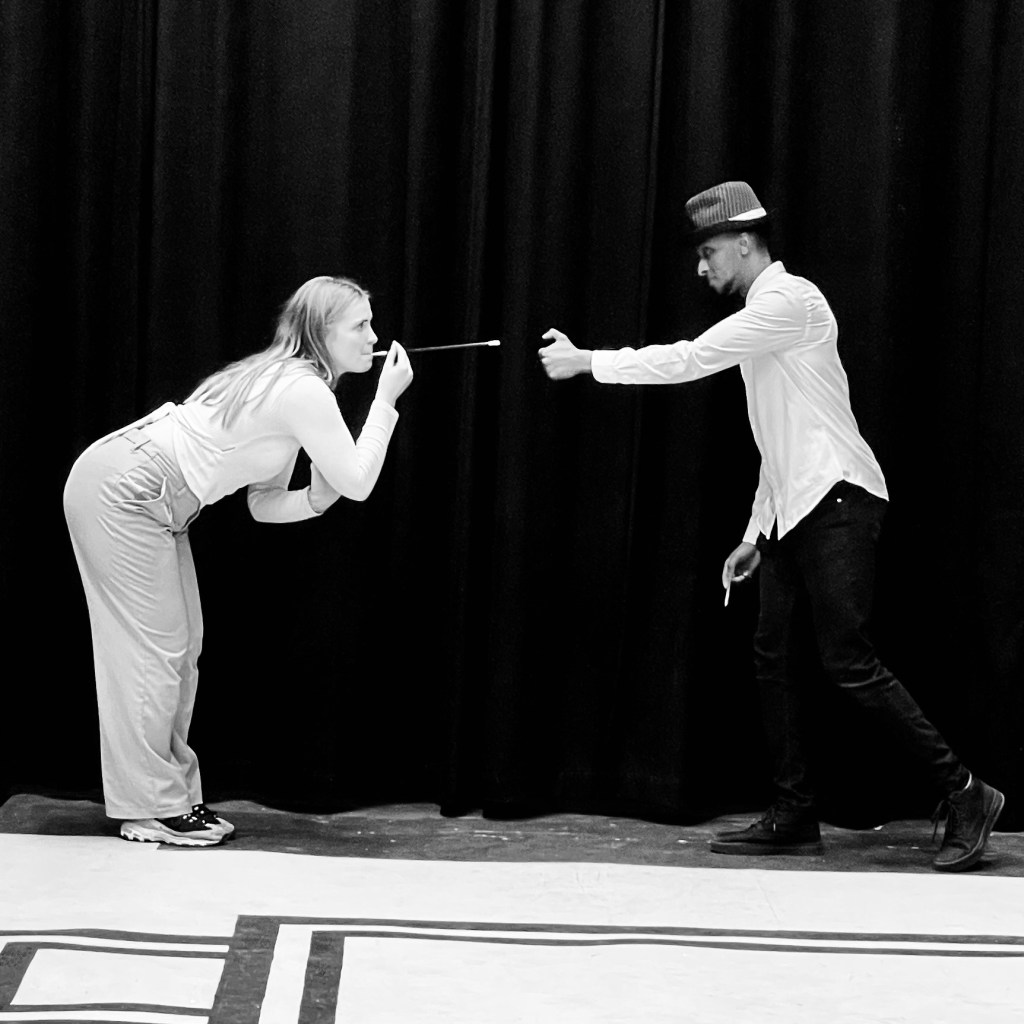
    The play sparked lots of discussion from the audience: what was real or imagined, how did it end, what would happen next? And for a time, I did debate writing a part two or the second half of the play. In the end, I decided to leave it as a one-act. There’s no more to be said in this story.

    One of the things I love most about theatre is it’s transient nature. It comes and it goes. Unlike any other artwork, there is no artefact beyond the memories of the actors and audience (photos notwithstanding). And maybe it is getting older or something, but I wanted to have an artefact for this play – some sort of legacy, physical, thing – to hold in my hands and say ‘I made this’.

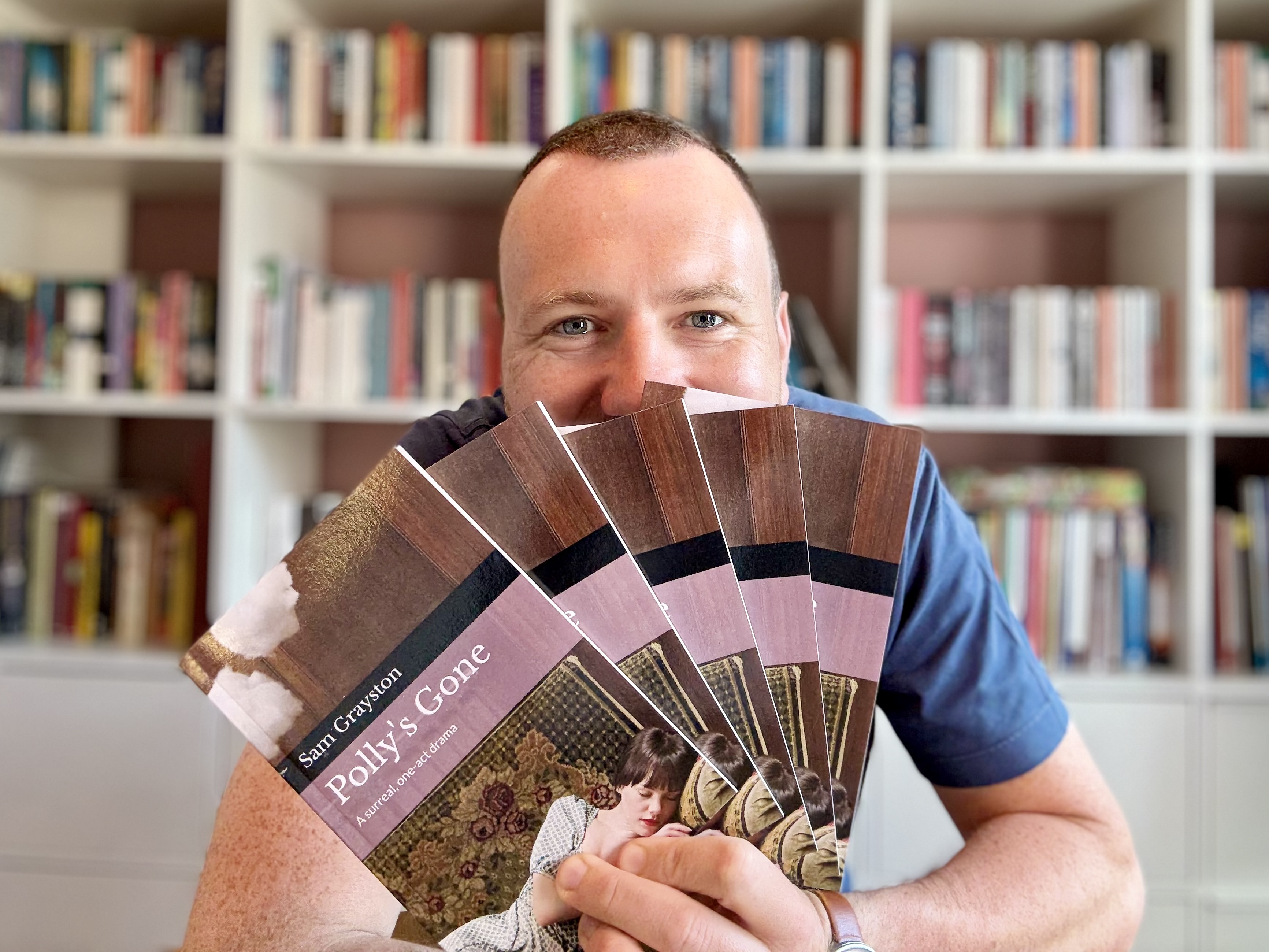
    So I’ve published my play.

    It’s available now on Amazon right now! And I’m very excited to have a physical copy in my hands! Kindle version available too.
    If you want to know what the play is about, here’s the pitch:


    Many, many thanks to my good friends who got involved in producing this play and for coming to see it and support our work. It means a great deal to me.
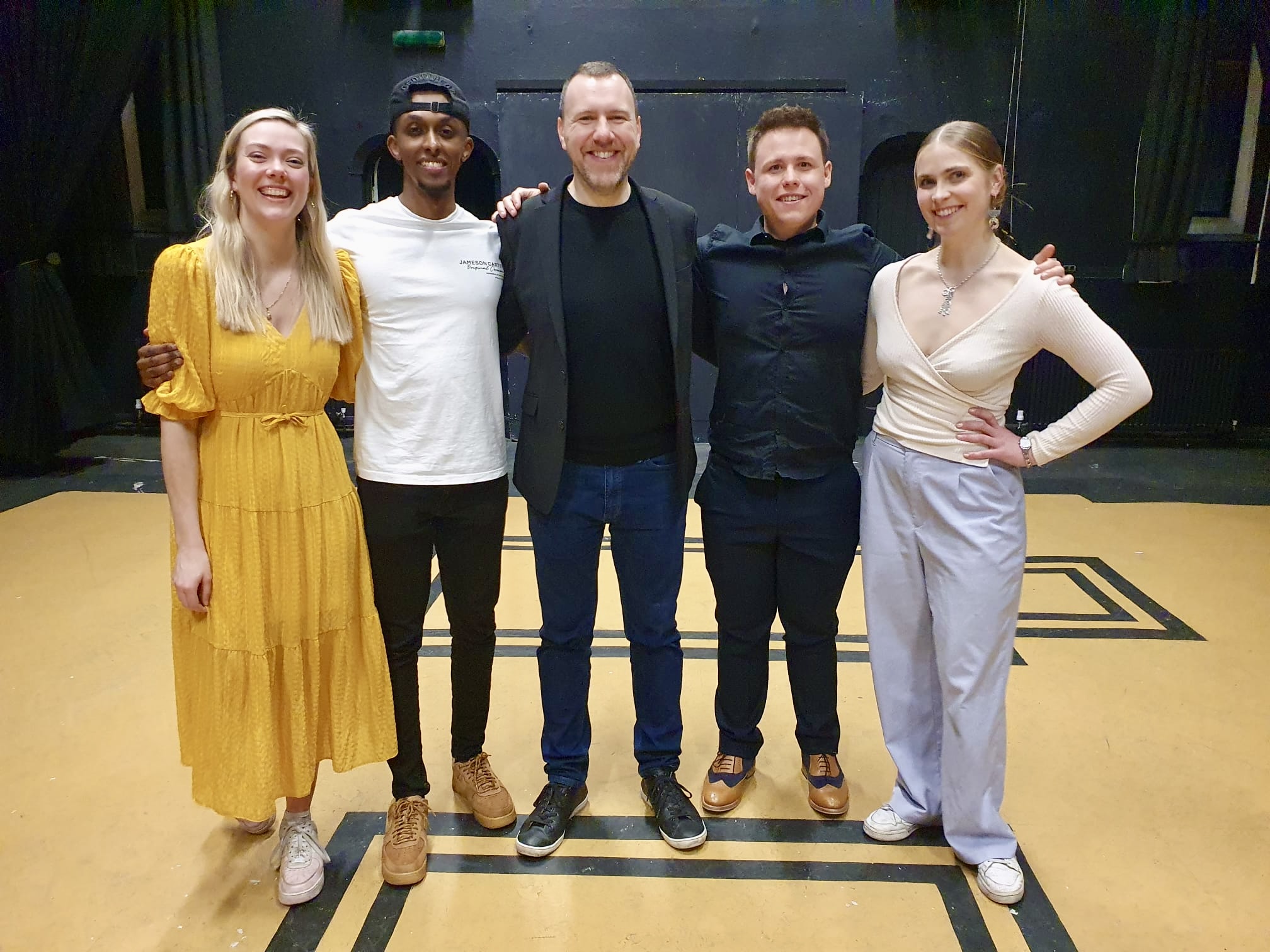
    And now I can say I’m a published author. What fun!
  • Does your canopy of work make sense?

    Does your canopy of work make sense?

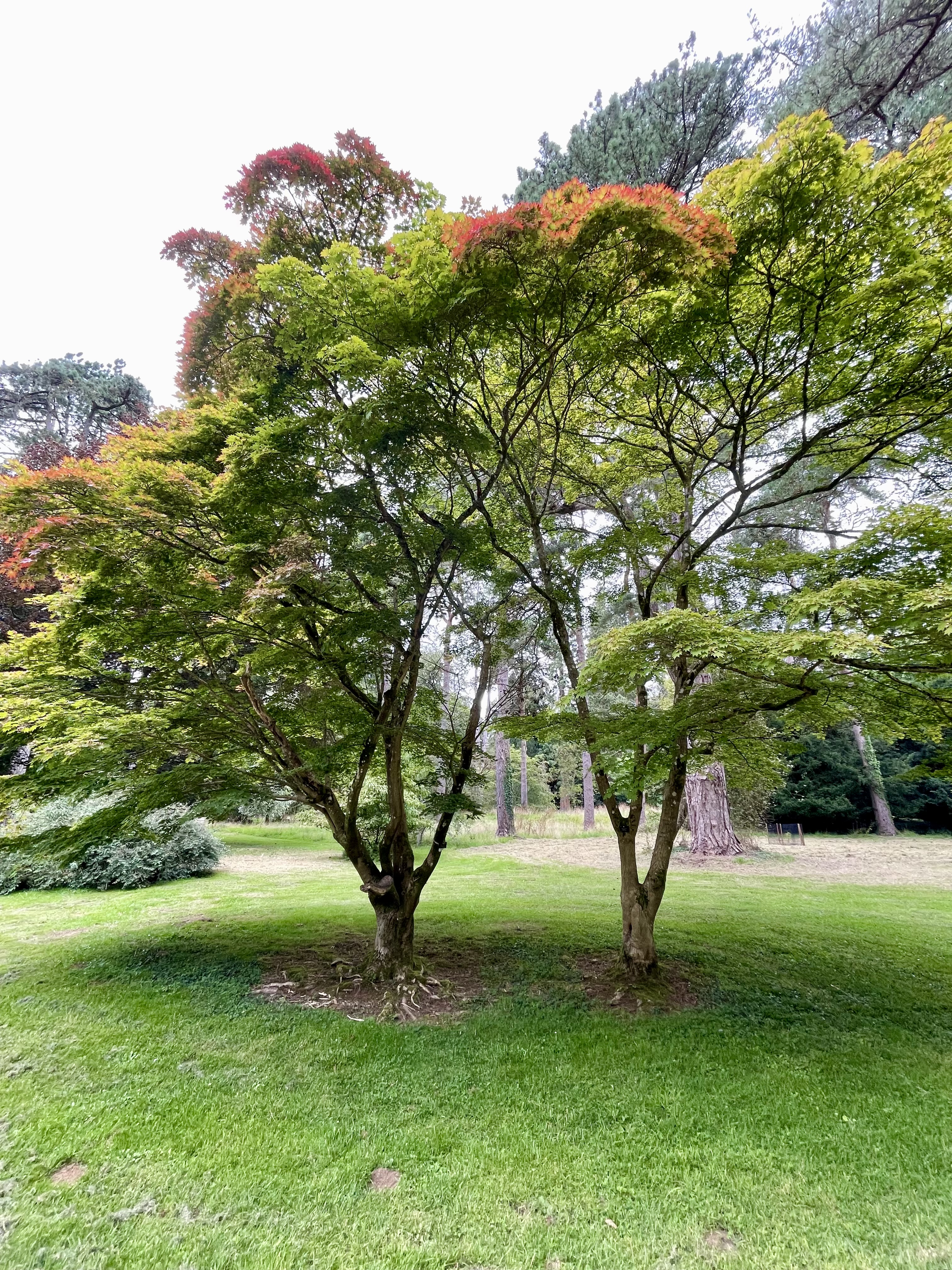
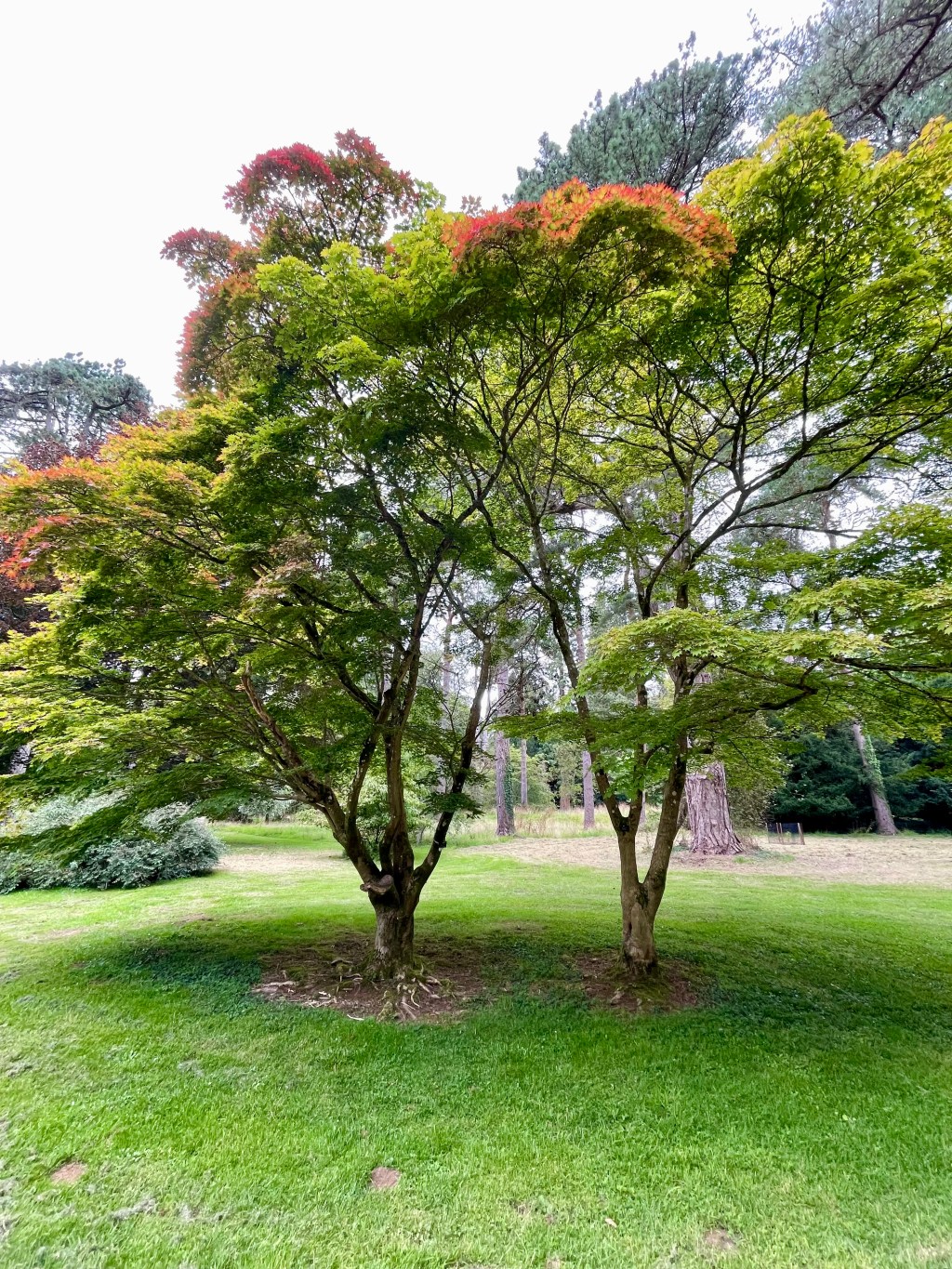
    Another trip to Westonbirt Arboretum, another incredibly valuable lesson in the development of the Outcomes Tree. I was so enthused, I took a picture. Check out this beautiful Acer tree:

    Look at the gorgeous canopy, the perfection of the Japanese Maple leaves – extraordinarily satisfying, yes? Such perfection in nature! Look down the branches – layers of growth and life. Then to the trunk…hang on…there’s two trunks! Two trees! Living in perfect harmony with each other. Check those leaves again – oh yes, the ones on the right are slightly more mature, a reddening in the pigment compared to the ones on the left. Two lives, combined as one.

    Multiple Trees at Work

    In a recent Outcomes Tree workshop, someone asked me how it works if there are multiple trees in an organisation. This picture is, I think, a healthy metaphor for answering that question.

    Very often in organisations, there’s a lot of land-grabbing, empire-building, whatever you want to call it – it’s the equivalent of fighting for the sun at the expense of everything else around. It’s a desperate and limiting pursuit of power at the expense of others. It actually reduces the overall impact of the organisation, demoralises some and promotes others. What the Acers teach us is that, when we are working together, there’s space for both of us. See how each tree makes space for the other; how they flourish in their respective space and limit their overlap; and ultimately, how they appear united as one single canopy.

    When using multiple Outcomes Trees in an organisation, we need to look to see if the overall canopy makes sense.

    Do some outcomes cede way for others so there’s an overall, natural coherence beyond the individual pursuit?

    Where there’s space for our specialism, can we thrive and grow? Where there’s overlap, can we combine or cede growth for the benefit of the overall?

    I understand ceding looks like giving up something or giving it away but, you can see here, it’s natural for the benefit of the overall. There is room for all of us. There is abundance if we embrace it. Internal politics and aggression will be to any organisations detriment, not growth, and land-grabbing doesn’t help. Coherent, generous growth with an abundance mindset will endure.

    Mature leaves=mature leaders

    And what about the more mature leaves? What can they teach us? I believe they show us that in a healthy organisation, there are some experiments more advanced in their learning than others, and we can follow their lead; I also believe it shows us that the more mature people are in an organisation, the more willing they are to ‘go first’ and forge a bold, new set of outcomes for the future. The reddened leaves are going first to provide their energy back to the tree – and our leaders can do the same for our organisations.

    Dare you cede something for the benefit of the canopy?

    The impression from the outside of any organisation should be one, coherent experience (or canopy), even if, internally, it means we cede growth to others for the overall benefit of the customer or user experience.

    Does your canopy of work make sense? Is there too much overlap? Can you cede control over some things to promote growth overall?

    Watch the FREE Green Shoots introduction to the Outcomes Tree to get started growing your own!

  • How to Rock a Pitch

    How to Rock a Pitch

    I recall the first time I noticed how much people love over-acting. I’ve always loved theatre. I’ve been fortunate enough to act, direct, design, light, write and watch many theatrical performance. I remember this one time I was watching a theatre production of a Shakespeare play and one of the characters comes in to find his pal is dead. He wails and shouts and screams and ends up dead herself. I remember feeling a bit awkward about his performance. It was a bit too hammy for me.

    ott acting

    (more…)

  • A Presentation Blast from the Past

  • Is this the best design of the 21st Century so far?

    Is this the best design of the 21st Century so far?

    I’m a massive Apple fan and therefore a massive fan of legendary British designer, Sir Jonathan Ive .

    There are so many pictures of Jony Ive, this one makes me laugh…but he is good

    One of my favourite quotes from him is:

    “We try to develop products that seem somehow inevitable. That leave you with the sense that that’s the only possible solution that makes sense,” he explains. “Our products are tools and we don’t want design to get in the way. We’re trying to bring simplicity and clarity, we’re trying to order the products.

    “I think subconsciously people are remarkably discerning. I think that they can sense care.”

    Great design is design where the user instinctively knows what to do with it. It is, in Jony Ive’s words, inevitable. All design leads the user to action – whether that be to sit on a beautifully crafted chair, hit a nail with a solid hammer or move something with wheels. But how often do you, as the user, feel forgotten about? Like the product you’re using is one of millions, made impersonally, isn’t easy to use, uncomfortable, cheap, or you just have no idea what on earth you’re supposed to do as a result of this piece of design. Nasty. Poorly designed.

    (more…)

  • Do you dare choose your audience?

    I heard a very interesting point yesterday about marketing and the distribution curve thing, which got me thinking about daring to choose a target audience.

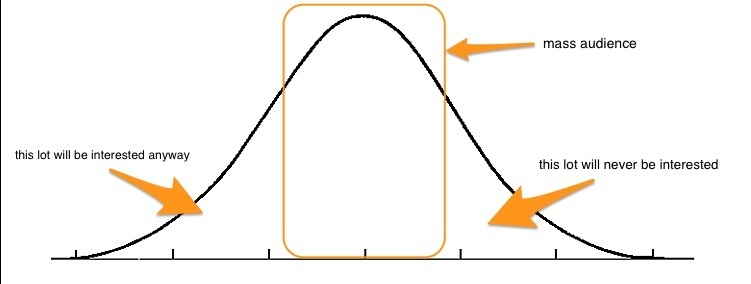
    The point being that in traditional terms, marketers try to target the ‘mass audience’ – i.e. that there is a large group of people who would want or need what you’re trying to sell and you make it as attractive as possible to that large group of people. On the left hand side of the mass audience would be the ‘early adopters’ who would buy what you’re selling anyway, and on the right hand side would be the ‘never evers’ who will never be interested in what you’re selling. The middle ground was the hallowed ground.

    Normal distribution curve
    Normal distribution curve

    Not any more.

    (more…)