Category: Goals

  • Rethinking Boundaries: Lessons from the Ashes 🏏

    Rethinking Boundaries: Lessons from the Ashes 🏏

    With the Ashes about to begin again, this time in Australia, I’ve found myself thinking about boundaries. Not just the rope around the edge of the cricket field, but the kind we’re encouraged to set in our personal and working lives.

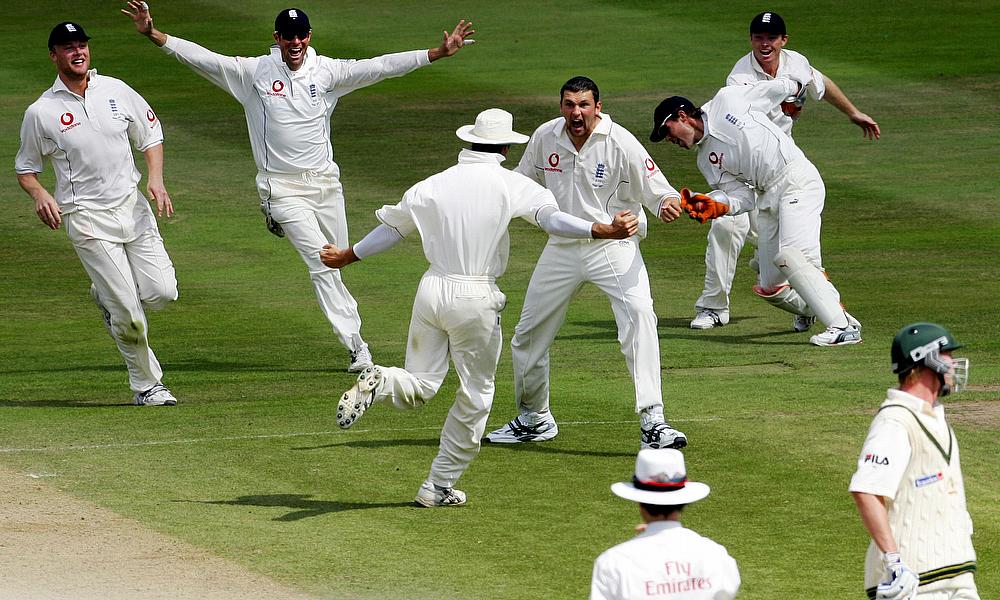
    I loved the 2005 Ashes. I was utterly absorbed, listening to Test Match Special, watching as many deliveries as I could as England snatched that unforgettable victory from Australia. I remember one of my friends sharing his love for cricket by saying “It’s such an amazing game: you can play for five days and come out with a draw”.

    But as the Ashes has come around this time, the idea of boundaries has been playing on my mind in an unexpected way.

    Boundaries everywhere…except in cricket

    We’re encouraged, rightly, for the most part, to set clear personal boundaries which are healthy. Gen Z in particular is frequently praised for being better than previous generations at setting and holding them. When we understand what is acceptable to us and what is not, we create the conditions to flourish.

    Most sports reflect the same logic. Boundaries define the limits of play and help maintain control. Step outside the line in rugby, football, netball, basketball, or hockey, and play stops. The boundary represents the edge, or the point at which play halts and the boundary-crosser loses control.

    Cricket inverts this logic. 🏏

    In cricket, breaking the boundary is celebrated. If the ball reaches it along the ground, the batting side earns four runs; if it sails clean over, they earn six.

    The boundary isn’t a barrier…it’s a marker of success!

    Where most sports insist you stay within the lines to keep playing, cricket rewards you for going beyond them.

    A different kind of limit

    That swap feels worth exploring. It suggests that not all boundaries exist to constrain us. Some are meant to be crossed. Some show us what success looks like.

    Think of hierarchical boundaries, policy boundaries, cultural boundaries, or the quiet habitual boundaries we rarely question. Some are essential and protective. Others are flexible. Some are assumptions hiding as rules. And some, perhaps, sit far too close to us, defining a comfort zone we’ve mistaken for a limit.

    Cricket illustrates this beautifully. When a ball is clearly racing away towards the rope, commentators often say the fielders shouldn’t bother chasing. It’s gone too far. The runs are already earned. The boundary, in that moment, is not an obstacle but a signal of achievement.

    The long game

    I’m not advocating a Bazball approach to life – swinging wildly in every direction in the hope of racking up runs. Like Test cricket, life usually needs a blend of patience and ambition. Sometimes we play a defensive shot. Sometimes we take the single. And sometimes we take a lovely cover drive that carries us beyond the rope.

    In a Test match, the game unfolds over long periods of time, with momentum shifting subtly over hours or days. Success isn’t just about bold strikes, it’s about understanding the game’s rhythm.

    So perhaps the question isn’t: Should I have boundaries?

    But rather: What kind of boundary is this – and what is it for?

    Useful boundaries, debatable boundaries, and the ones worth playing with

    I know from experience that clear personal and professional boundaries support my wellbeing. They help me focus, recover, and make thoughtful choices.

    But it’s possibly true that some boundaries deserve scrutiny.

    Some are rigid and non-negotiable, some are assumptions we inherited, some mark the edges of our fears rather than our true limits.

    Some are there to protect us and some might just be pointing us towards what success could look like—if we dared to push further.

    A thought to take into the Series

    As we settle into another Ashes series of five days, five matches, and all the drama, there remains an intriguing paradox: Cricket is played within boundaries…yet it celebrates the moments when those boundaries are crossed.

    Perhaps the same is true in life? Not all lines are drawn to keep us in – sometimes they show us how far we can go.

    P.S. I’ve taken a different approach to writing this blog. I did lots of rambling into a voice note and refined it with an LLM. Then I’ve polished it and put my own ‘spin’ back on it. What do you think?


  • I had a dream… and now I have a published play!

    I had a dream… and now I have a published play!

    A couple of years ago, I was running my theatre company’s writing group and I had to come up with something for a workshop we were running that week. I had no idea what do write – until I had a strange dream one night about being chased through a hotel lobby by a couple of goons in suits. That’s it!, I thought! That’ll be the scene…but, I continued, I’ll also acknowledge that it’s a dream. The character can ‘wake up’ at the end and stumble into reality…or another dream.

    It was a fun device and worked well for the workshop. So well in fact that I thought I should do more with it. I scrawled down some ideas from dreams and started to plot out some characters. I knew I had a couple of long flights ahead of me so, in a partial, dream-like state, I pounded out several thousand words of a play. Some scenes were dreams, some were ‘real’, some were short, others long. I was relatively pleased with it, so I took it along to the writing group for some feedback.

    “It doesn’t have a plot.”

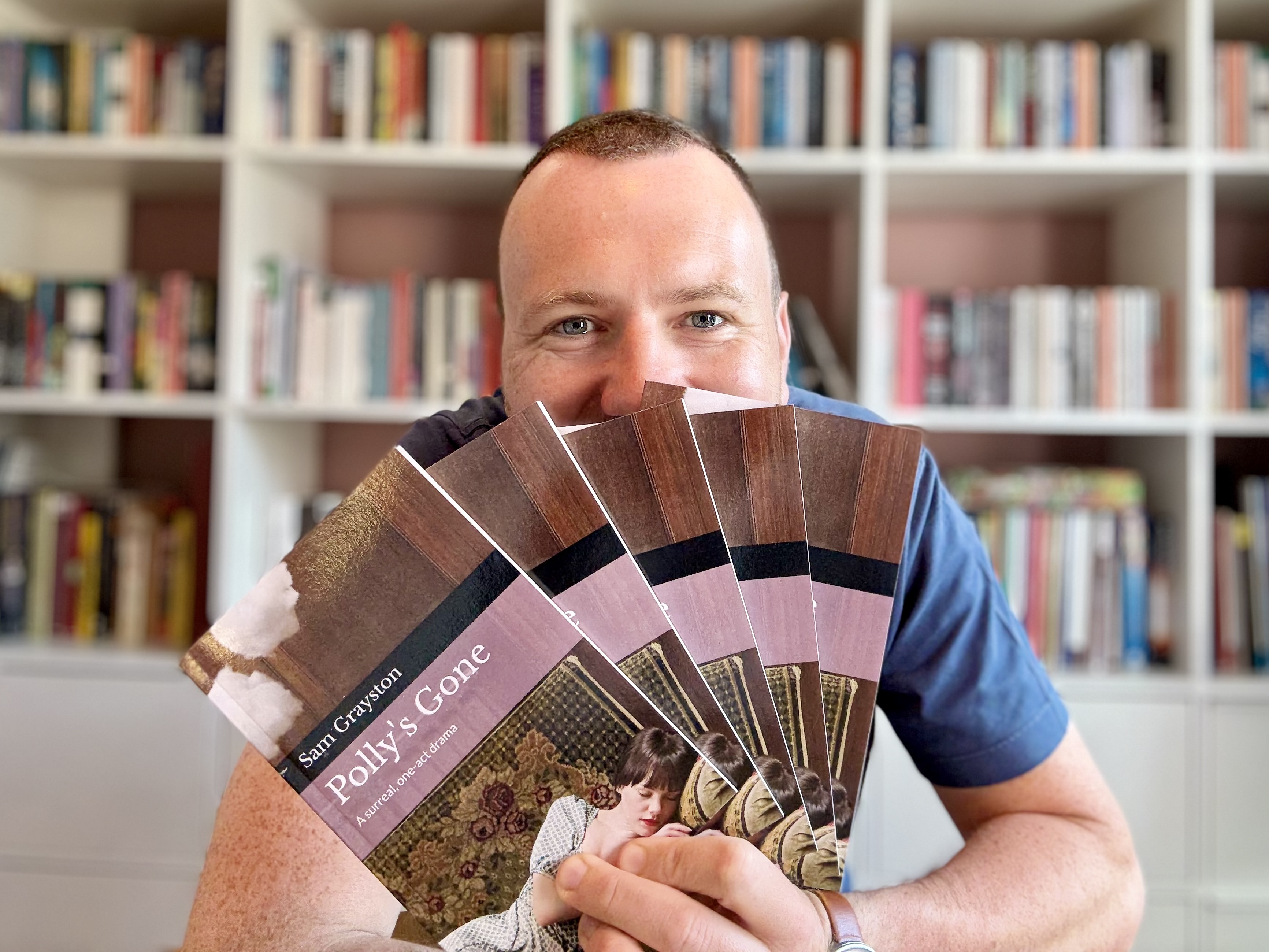
    Yes. About that. Well, that was one of the sharpest pieces of feedback. But they were right. It was a collection of scenes that didn’t really go anywhere. So I made some choices about the arc of the play and the characters, did some heavy editing, and ended up with Polly’s Gone: a surreal, one-act drama.

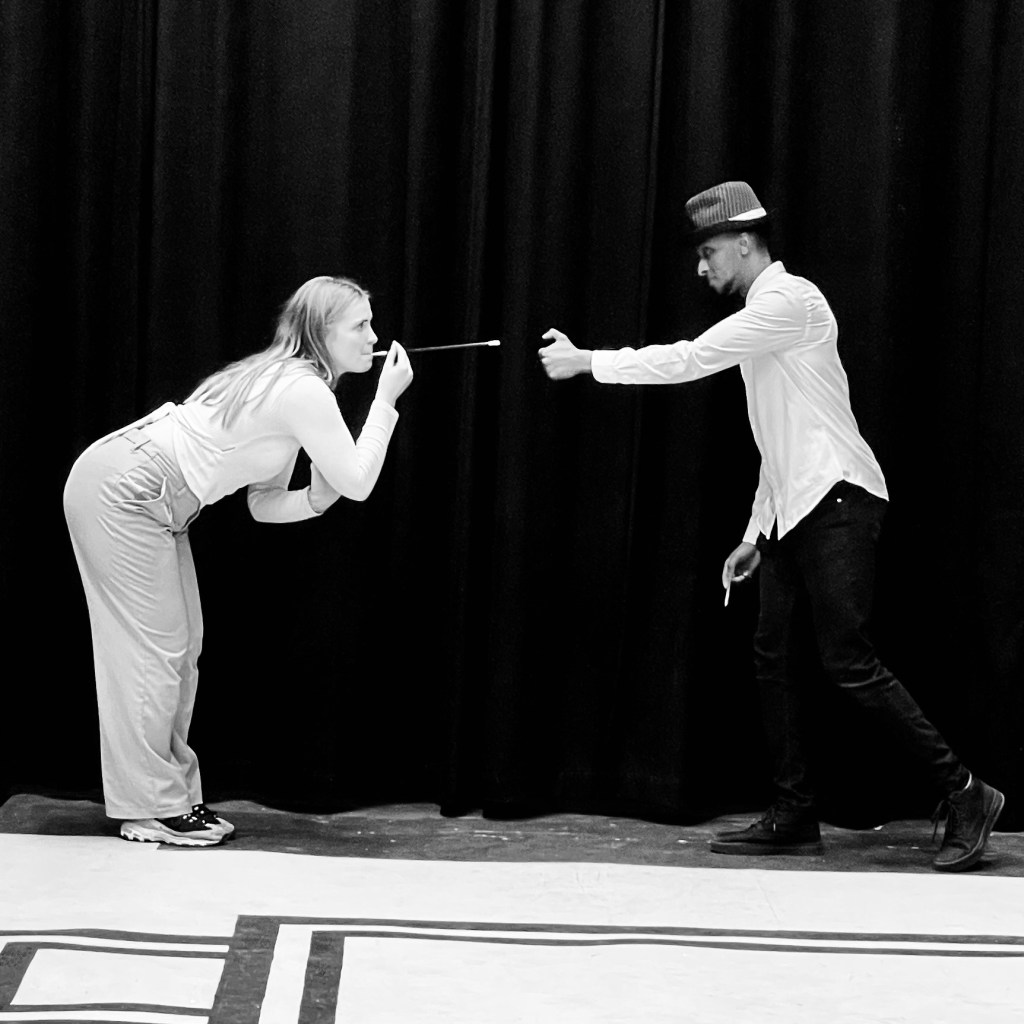
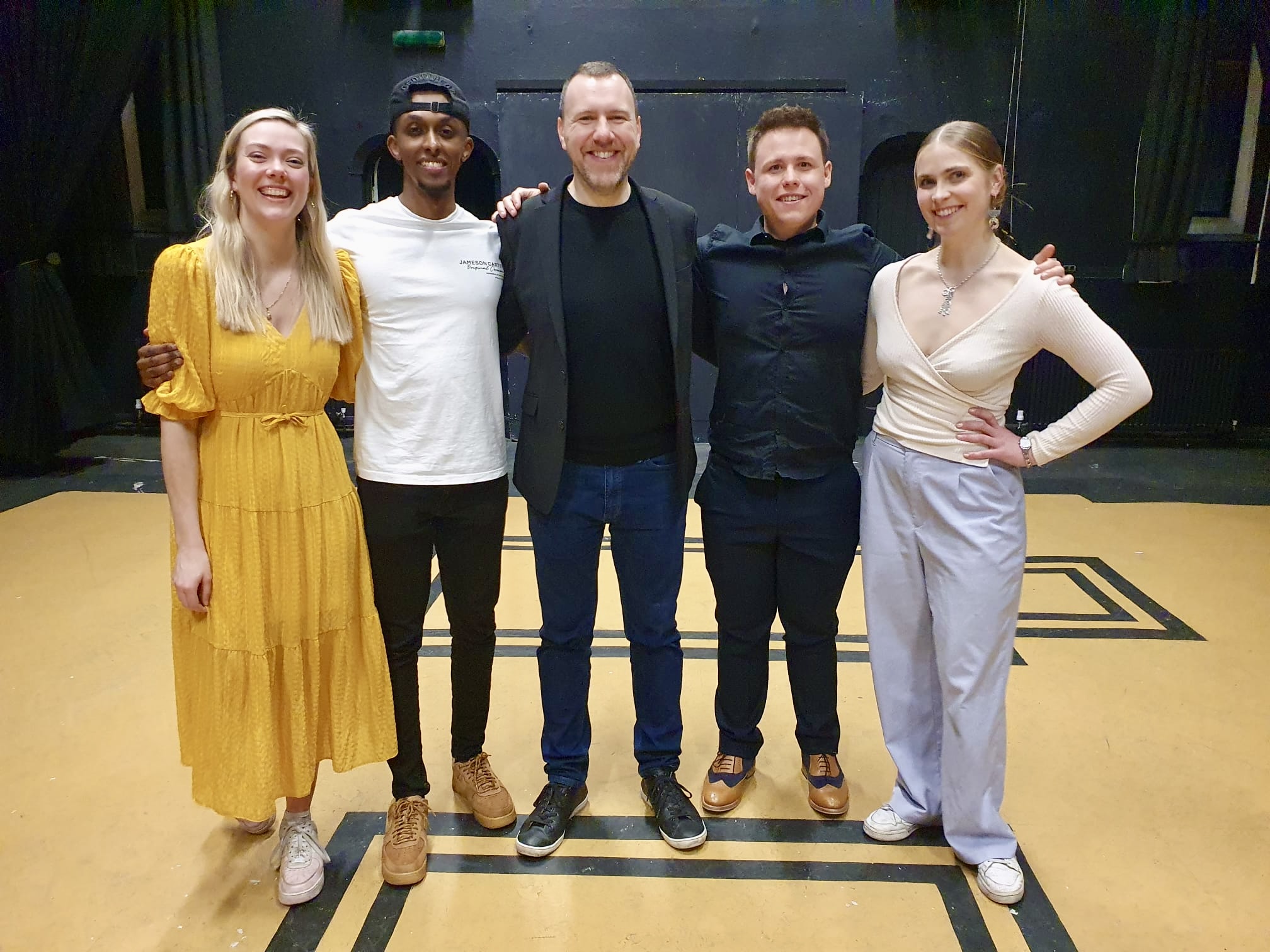
    We previewed it through a script-in-hand ‘rehearsed reading’ and workshopped some more ideas before finally producing it for the Bristol One-Act Festival in 2024. We won a couple of acting awards, which was great for the company. I loved working with the team to bring this play to life.

    The play sparked lots of discussion from the audience: what was real or imagined, how did it end, what would happen next? And for a time, I did debate writing a part two or the second half of the play. In the end, I decided to leave it as a one-act. There’s no more to be said in this story.

    One of the things I love most about theatre is it’s transient nature. It comes and it goes. Unlike any other artwork, there is no artefact beyond the memories of the actors and audience (photos notwithstanding). And maybe it is getting older or something, but I wanted to have an artefact for this play – some sort of legacy, physical, thing – to hold in my hands and say ‘I made this’.

    So I’ve published my play.

    It’s available now on Amazon right now! And I’m very excited to have a physical copy in my hands! Kindle version available too.

    If you want to know what the play is about, here’s the pitch:


    Many, many thanks to my good friends who got involved in producing this play and for coming to see it and support our work. It means a great deal to me.

    And now I can say I’m a published author. What fun!

  • 25 Lists for a Meaningful 2025: Reflection and Planning

    25 Lists for a Meaningful 2025: Reflection and Planning

    The start of a new year is the perfect time to think ahead. While I’m not a big believer in New Year’s resolutions, I do find value in using lists and prompts to set out what matters to me. Each year since 2021, I create a series of lists that help me prioritise, reflect, and plan. Every week or two, I revisit these lists to check my progress and make adjustments.

    Here are the 25 lists I’m compiling for 2025:

    Self-Reflection and Values

    1. Who am I?

    This grounding question is inspired by a coaching session with the brilliant James Victore. Set aside an hour, ask yourself “Who am I?” and jot down everything that comes to mind. Then, go back and reflect on each statement—keep what feels true, and let go of the rest.

    2. Things I Value

    As part of my VAPOR planning framework (Values, Activities, Plans, Organisation, Reflection), I identify my core values and the daily activities that help me live them out.

    3. Sayings I Live By

    A curated collection of quotes, mantras, and sayings that inspire and resonate with me—featuring Dieter Rams, Miles Davis, Tolkien, Maya Angelou, Nancy Kline, and, yes, even Ted Lasso.


    Looking Forward to 2025 and Beyond

    4. What I Want to Happen in 2025

    Rather than resolutions that I ‘resolve’ to do, this is a list of aspirations, goals, and ideas for the year—a mix of the intentional and the hopeful.

    5. What I Want to Leave in 2024

    Life isn’t just about adding; it’s also about subtracting. This list captures habits, behaviours, or practices I’d like to leave behind—like people-pleasing or apologising unnecessarily.

    6. Things I’d Like to Achieve in This Decade

    Turning 40 has inspired me to think long-term—whether it’s writing a book or becoming conversational in Italian.


    Fostering Creativity and Ideas

    7. Fragile Ideas Worthy of Reverence

    In Jony Ive’s commencement speech for the California College of Arts, he talks about the reverence for ideas his design lecturer inspired in him. Ive talks about how fragile and fleeting ideas are and how quickly they can dissipate if not treated with kindness and reverence. Whether it’s a good idea or not, appreciating that the idea itself is worthy of some reverence and exploration before being implemented or dismissed. 

    8. Moments of Resonance

    A new addition for 2025, this list tracks moments that deeply resonate with me—from personal experiences to art or design. I then reflect on why they resonate and how to invite more of that into my life. Mine’s a mish-mash of minimalism and mess, of modern and old, and I’m looking forward to working on it. 

    9. Creative Things to Do

    Creativity is one of my core values, and this list ensures I prioritise it by giving me a go-to bank of creative ideas.

    10. Ideas from the Web

    A place to store intriguing ideas, apps, shortcuts, automations, etc, I encounter online that I’d like to try out.


    Daily Practices and Tools for Growth

    11. ‘Got a Minute’ List

    For those small pockets of time when it’s tempting to scroll mindlessly, this list offers alternatives—like stretching, reading a page of a book, or reconnecting with an old friend.

    12. What I’m Grateful For

    While I practise daily gratitude, this list captures the big-ticket items that anchor my sense of abundance.

    13. What Have I Learned?

    From small insights to significant lessons, this list ensures I don’t forget what I’ve gained.

    14. Things I Do Better Than Most

    For those tough days, this list reminds me of the unique skills and talents others value in me.


    Relationships and Social Capital

    15. Social Capital

    A reflection on the relationships I want to nourish and the people I want to stay connected with.

    16. Personal Board of Directors

    This list includes trusted individuals (real, fictional, or idealised) who I can advise me in my best interest.

    17. People I Should Know

    A guide to intentional networking and building meaningful relationships.


    Achievements and Memories

    18. Biggest Accomplishments

    A go-to reminder for when I doubt my progress, this list celebrates what I’ve achieved so far.

    19. Career Bucket List

    From keynote speaking to publishing a book, this list captures the career milestones I aspire to reach.

    20. Shows I’ve Been Involved With

    A nostalgic look at the plays and performances I’ve been part of—it’s quite a list now!


    Gratitude

    21. Gifts Given

    It’s rewarding to remember the gifts I’ve shared and the experiences I’ve created for others.

    22. Gifts Received

    Practising gratitude by recalling the kindness and thoughtfulness I’ve been lucky enough to receive.

    23. Nice Things I’ve Got for Myself

    Acknowledging the moments I’ve treated myself and appreciating my ability to indulge occasionally.


    Practical and Aspirational

    24. Places I’d Like to Go

    There are so many places to explore—this list keeps my wanderlust alive.

    25. Things for a Quiet Day

    When an unexpected quiet day arrives, this list ensures it doesn’t slip away unnoticed.


    Personally, I keep these lists on Notion, adding comments, pictures, and tags to stay organised. Every couple of weeks, I review them, check my progress, and make small tweaks to my plans for the fortnight ahead.

    I hope these lists inspire you as they’ve inspired me. They’ve proven far more effective than New Year’s resolutions!

    What’s on your list for 2025?

    This revised structure starts with introspection and flows naturally towards actionable and aspirational items. Does this feel more cohesive?

  • Does your canopy of work make sense?

    Does your canopy of work make sense?

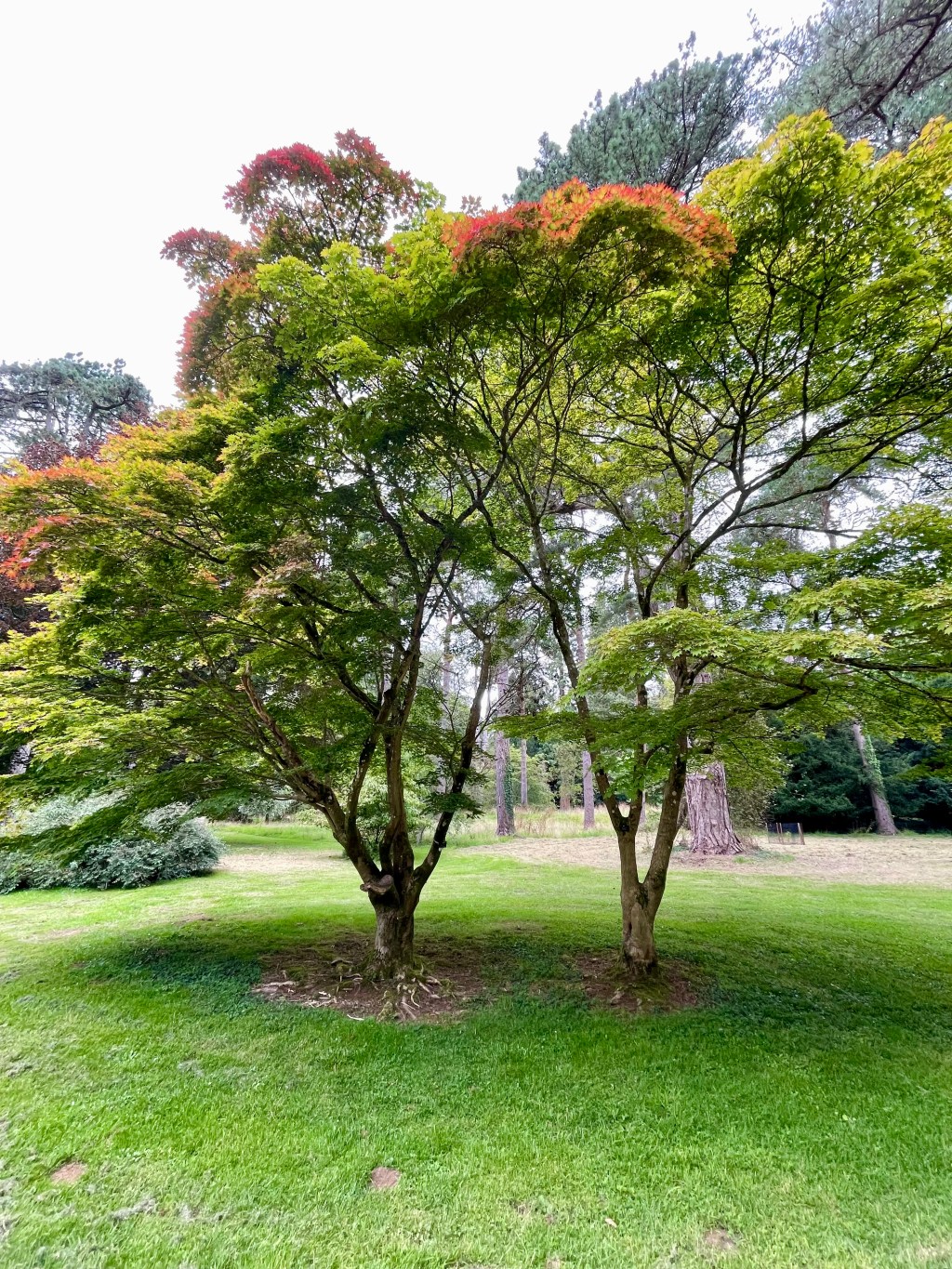
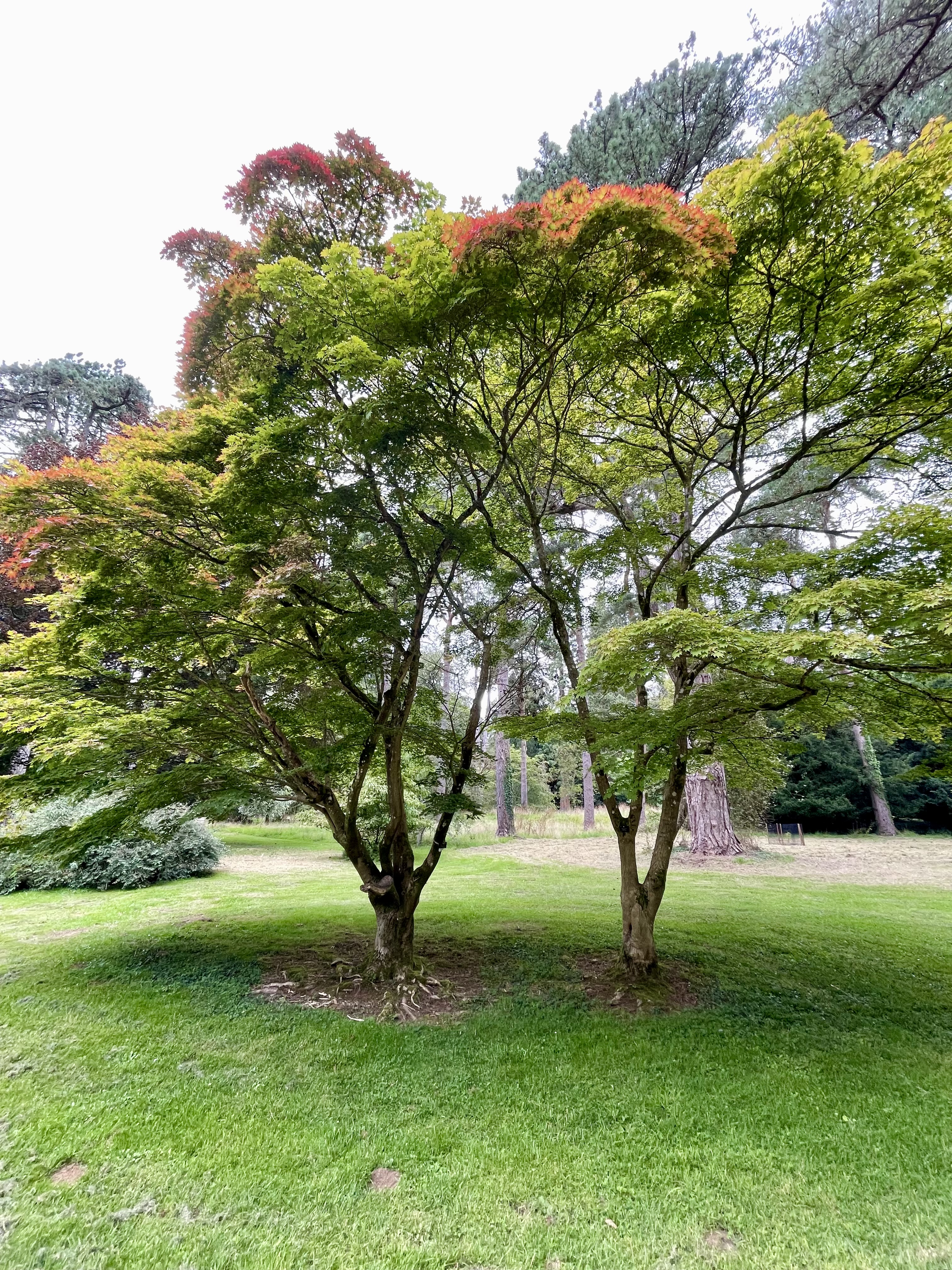
    Another trip to Westonbirt Arboretum, another incredibly valuable lesson in the development of the Outcomes Tree. I was so enthused, I took a picture. Check out this beautiful Acer tree:

    Look at the gorgeous canopy, the perfection of the Japanese Maple leaves – extraordinarily satisfying, yes? Such perfection in nature! Look down the branches – layers of growth and life. Then to the trunk…hang on…there’s two trunks! Two trees! Living in perfect harmony with each other. Check those leaves again – oh yes, the ones on the right are slightly more mature, a reddening in the pigment compared to the ones on the left. Two lives, combined as one.

    Multiple Trees at Work

    In a recent Outcomes Tree workshop, someone asked me how it works if there are multiple trees in an organisation. This picture is, I think, a healthy metaphor for answering that question.

    Very often in organisations, there’s a lot of land-grabbing, empire-building, whatever you want to call it – it’s the equivalent of fighting for the sun at the expense of everything else around. It’s a desperate and limiting pursuit of power at the expense of others. It actually reduces the overall impact of the organisation, demoralises some and promotes others. What the Acers teach us is that, when we are working together, there’s space for both of us. See how each tree makes space for the other; how they flourish in their respective space and limit their overlap; and ultimately, how they appear united as one single canopy.

    When using multiple Outcomes Trees in an organisation, we need to look to see if the overall canopy makes sense.

    Do some outcomes cede way for others so there’s an overall, natural coherence beyond the individual pursuit?

    Where there’s space for our specialism, can we thrive and grow? Where there’s overlap, can we combine or cede growth for the benefit of the overall?

    I understand ceding looks like giving up something or giving it away but, you can see here, it’s natural for the benefit of the overall. There is room for all of us. There is abundance if we embrace it. Internal politics and aggression will be to any organisations detriment, not growth, and land-grabbing doesn’t help. Coherent, generous growth with an abundance mindset will endure.

    Mature leaves=mature leaders

    And what about the more mature leaves? What can they teach us? I believe they show us that in a healthy organisation, there are some experiments more advanced in their learning than others, and we can follow their lead; I also believe it shows us that the more mature people are in an organisation, the more willing they are to ‘go first’ and forge a bold, new set of outcomes for the future. The reddened leaves are going first to provide their energy back to the tree – and our leaders can do the same for our organisations.

    Dare you cede something for the benefit of the canopy?

    The impression from the outside of any organisation should be one, coherent experience (or canopy), even if, internally, it means we cede growth to others for the overall benefit of the customer or user experience.

    Does your canopy of work make sense? Is there too much overlap? Can you cede control over some things to promote growth overall?

    Watch the FREE Green Shoots introduction to the Outcomes Tree to get started growing your own!

  • Was Marcus Aurelius an Agilist?

    Was Marcus Aurelius an Agilist?

    Lessons in Change from an Ancient Philosopher.

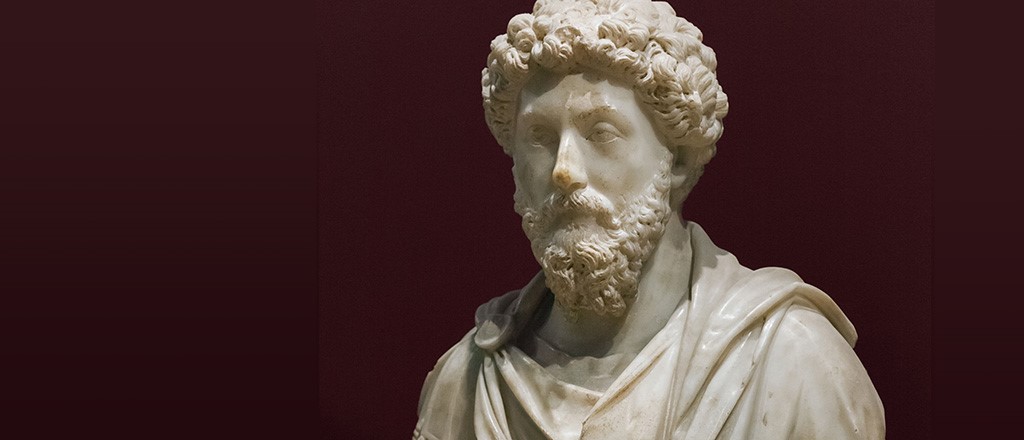
    In the run up to my 40th birthday, I thought I should read some classic philosophy. I’ve just finished reading Meditations, a collection of personal reflections by Roman Emperor Philosopher, Marcus Aurelius, written in the second century of the Common Era.

    I picked three such reflections (or ‘Chapters’ as they’re called) which I thought were humbling and important to bear in mind when thinking about the work we sometimes do as Agile Coaches and change agents.

    The numbers quoted below refer to the Book & Chapter.

    First, was a compelling reminder from 4.42:

    Change: nothing inherently bad in the process, nothing inherently good in the result.

    Here, Marcus Aurelius reminds us, even the evangelical change agents, that just because we say it’ll be better by doing things differently, it doesn’t necessarily make it so.

    We must always be careful to check ourselves against a deep-seated belief that changing things will improve them. There is, as Aurelius says, nothing inherently bad in the process of changing things and nothing inherently good in the result – we must work at both aspects.

    I’ve worked with people who assume that just because of a business model, framework, brand, etc. is what it is, that it’s inherently better at creating products and services that engage, inspire and wow customers than the competition. This is short-sighted thinking that risks hubris and complacency.

    We must work to understand the difficulties and challenges of change as we move through the process, which may be a good or bad process (however one might define ‘good’ or ‘bad’); a breeze or a quagmire. And we must not be precious about the result – it is wholly possible that change isn’t better – and in fact we need to shift direction and move elsewhere based on what we learn through the process.

    An important lesson for evangelists!

    Second, for those struggling with change, 7.18:

    Is someone afraid of change? Well, what can ever come to be without change? Or what is dearer or closer to the nature of the Whole than change? Can you yourself take your bath, unless the wood that heats it is not changed? Can you be fed, unless what you eat changes? Can any other of the benefits of life be achieved without change? Do you not see then that for you to be changed is equal, and equally necessary to the nature of the Whole?

    We often work with people who are afeared of change because of what it says about themselves, their roles, careers, industries; but this meditation gives us hope that everything changes – and that it is perfectly normal and natural. I work with people who don’t want to change, and I understand it: they’ve build successful, long careers doing things a certain way and change threatens it. In their hearts, they must truly understand that nothing remains still – through the career they have built, they will have changed – their practices, their skills, their identity, because we are human beings as part of nature – and change is natural.

    This Chapter gave me hope for those we partner with and walk alongside on the journey of change.

    And finally, 5.23:

    Keep in mind how fast things pass by and are gone—those that are now, and those to come. Existence flows past us like a river: the “what” is in constant flux, the “why” has a thousand variations. Nothing is stable, not even what’s right here. The infinity of past and future gapes before us—a chasm whose depths we cannot see. So it would take an idiot to feel self-importance or distress. Or any indignation, either. As if the things that irritate us lasted.

    This verse speaks to me on the nature of Agile product development. Things move fast and change happens every day (today we’re all excited about ChatGPT – whatever happened to Stable Diffusion? Has it come and gone already?) As is noted, the what and why have many variations; it’s only our hope that the ‘how’ (working with greater agility) is better (but that’s no guarantee from the first lesson). This meditation shows the folly of having long-term plans or being stressed at things slipping on a Gantt chart, for the future, as noted, gapes as a chasm before us and we cannot predict everything that will befall us in time.

    It’s also worth bearing in mind that if we Agilists ‘irritate’ others – that we probably won’t last either! A wise lesson in meeting people where they are.

    Some insightful lessons from 1850-year-old philosophy about navigating modern change.

    There were many other Chapters I’ve underlined for personal reflections on the themes of time, presence, death, the cyclical nature of things, nature itself, fate, and our place in the Whole. A most edifying read.

    Have you read Meditations? What stands out for you?

  • Is there a Place for Seasonality at Work?

    Is there a Place for Seasonality at Work?

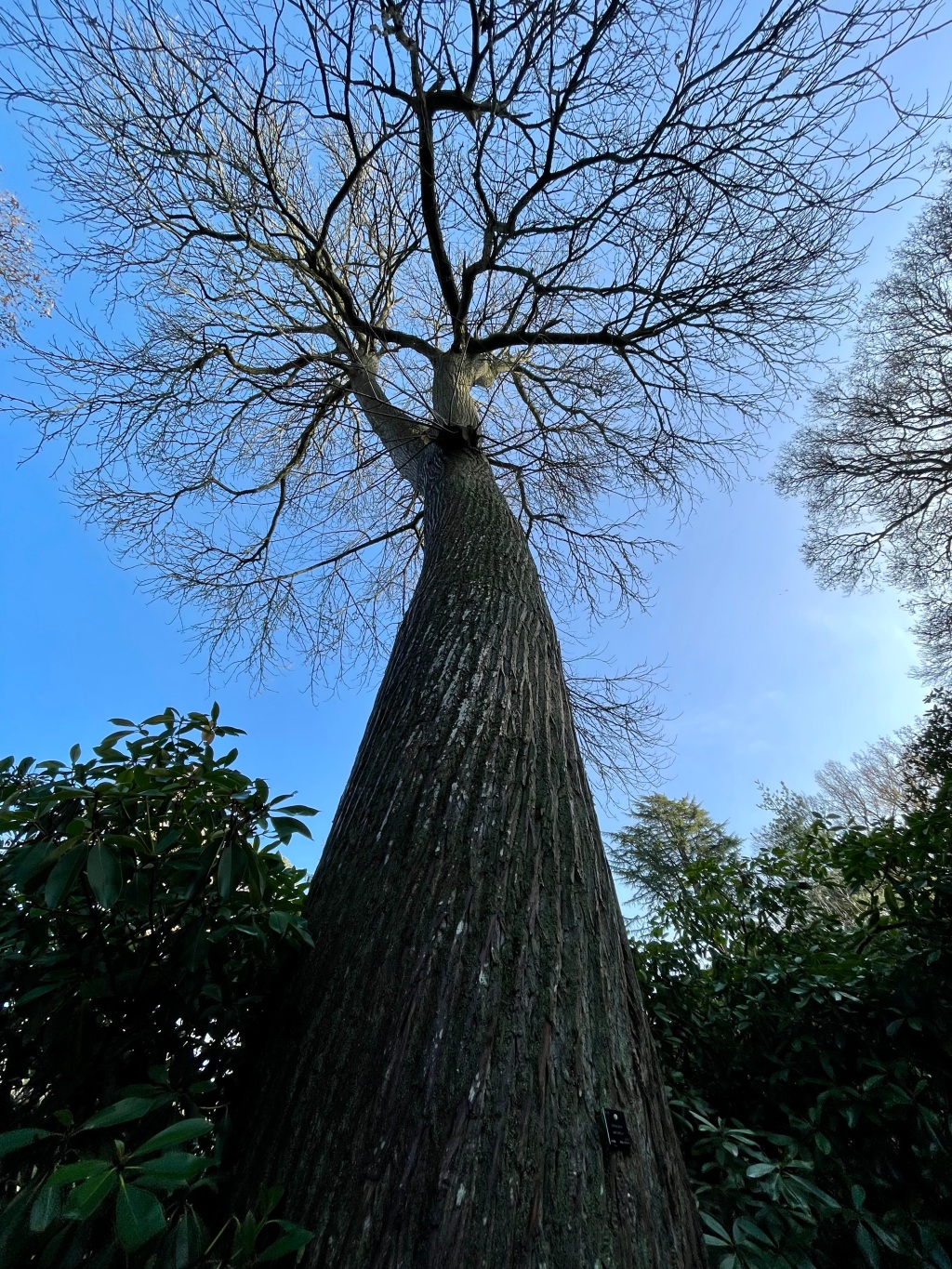
    One of my favourite places to walk is Westonbirt Arboretum near our home. It’s a great way to get back to nature and clear my head whilst supporting conservation work. On my most recent visit, I was marvelling at the structures of the trees now that all the leaves have fallen. These marvellous, decades-old organisms are saving all their energy and growth for spring: fresh buds, flowers, leaves, fruit. And it got me wondering if nature can teach us something about this time of year away from the pressures of ‘new year’s resolutions’ and towards embracing seasonality in our working lives?

    From the first of January, the start of the new calendar year, we’re often encouraged to set new goals and resolutions, and yet it’s a very arbitrary date. If we look to the rest of the natural world, it’s not starting afresh – it is midwinter! Plants are saving energy for fresh buds; animals are hibernating and hunkering down to be ready for spring; and here we are ‘getting after it’, ‘living our best life’, making radical changes…then not sticking with it, getting ill, and burning out. It doesn’t make much sense, it doesn’t appear to be very sustainable, and yet LinkedIn is full of people ‘bringing it on’ and ‘owning 2023’.

    We are connected to nature too – being human beings.

    Yes, reflect on the lessons of the previous season, nourish yourself with wholesome food, more knowledge, and enjoy movement; clear out unnecessary clutter and excesses of the past, but also be gentle, warm, kind and compassionate to yourself too. And when the first buds of new ideas and new goals arise, they will do so with greater clarity and fresh energy too.

    This is an invitation to not feel as great a pressure to set all those big goals and get started on everything now. Listen to yourself and to the natural world and respond appropriately. Reflect on what’s worked, what hasn’t; think about what you want to try out; maybe even explore a couple of ideas and experiments but consider that there may be a genuinely more invigorating time for renewal later.

    I am not saying do not do anything now.

    I know that life continues, that business thrives, that organisations endure. I’m merely advocating for observing more seasonality in our work and life – to acknowledge that there is ebb and flow, rather than being constantly ‘on’. For when we are ‘on’ 24/7, we run down to nothing and have nothing wonderful left to give the world. And I know that each and every person does have something extraordinary to offer.

    Personally, I’ve set goals for the next quarter and have a vision for the longer-term, but I’m not worrying about new year’s resolutions.

    And when you are ready to make the connections between those big, far-away goals and the experimental actions you want to start with today, then check out my Outcomes Tree idea. It’s an agile, responsive, and natural way to live in alignment with your purpose, bring value to your work, and change outcomes for the better.