Category: Uncategorized

  • Top threes of 2025

    A few years ago, I wrote a top three non-fiction list. This year, I wanted to revisit that idea and add in some other top threes that I’ve come across this year – particularly as a celebration of some of the arts. So I’m including fiction, art, TV, film, music.

    Some have reviews, some don’t. All have links to the creator. Some Amazon links are affiliate links.

    Many of these didn’t necessarily get released or created this year, but I came across them this year or they made the most difference to me this year, 2025.

    Non-fiction

    1. Building Utopia: Barbican Centre
    2. We need your Art
    3. Change the Culture, Change the Game

    1. Building Utopia, The Barbican Centre

    I was working for a bank in the city and the Barbican Centre was really nearby. I used to go there at lunch and enjoy the architecture. And the building grew and grew on me. I always had a sense that the Barbican was something impressive and had been an admirer of its brand for many years. In a past life, I wanted to be an architect too, so I knew it was a wonderful example of Brutalism. This book took my general interest and turned it into something of a passion. I doubt there will ever be a project as wholeheartedly wonderful as the idea of the Barbican. A complete, uncompromising vision for a creative lifestyle, housed together is something to be celebrated, whether you admire or detest Brutalism. Its vision is to be applauded. And this book is a celebration of that vision. 

    2. We Need Your Art, Amie McNee 

    On a first read, I thought this book was ok, but I know it’s better than that because it keeps coming back to me time and time again since I read it. It’s also got me starting to sketch again and share my shitty art on Instagram in the hope it makes someone smile or pause and enjoy it or reflect or whatever reaction they have. Artistry has become my word of the year because it’s so much more than just creativity. Artistry, to me, enthuses about the creation and appreciation of art in all its forms. Taste, beauty, creativity. All bound up in that word. And I don’t think I’d have landed on that word, were it not for Amie Mcnee’s book. 

    3. Change the Culture, Change the Game, Connors & Smith

    A simple idea, but really well articulated and structured. One of the best and most coherent examples I’ve seen of practical steps to move from existing culture, called C1, to a desired culture, called C2. I wish people would read this stuff rather than just put culture buzzwords on slides like ‘empowered’ and expect everyone to feel empowered.  It doesn’t work like that. This book will tell you how it could work instead. 


    Fiction

    1. Picture of Dorian Gray & Dracula
    2. At Night All Blood is Black
    3. I Let You Go

    1a & 1b & 1c. Picture of Dorian Gray & Dracula & Frankenstein 

    I went on a little (quite long) Gothic Horror fantasy over the summer (after having rewatched a bit of Penny Dreadful), reading A Picture of Dorian Gray, Dracula, and Frankenstein or A Modern Prometheus (to give it its full title). And they’re all brilliant in their own way. Something no film/tv version gets for me is the creepiness or underlying sadness and desperation of these characters. Dorian Gray and Dracula are often painted as characters to lust after, but from my reading at least, they seem spiteful, nasty pieces of work that are super creepy. I loved voyaging back in time to indulge in these classic gothic horrors. They’re great and I’d recommend taking a bit of time for all of them.

    3. At Night All Blood is Black, David Diop

    This mesmerising tale follows Alfa Ndiaye, a Senegalese soldier fighting for France in the First World War, who is traumatised by the brutal death of his closest friend. As grief and guilt overwhelm him, his acts of violence escalate, blurring the boundary between sanity and madness while exposing the psychological and moral cost of colonial warfare.

    4. I Let You Go, Clare Mackintosh

    No spoilers, but I was properly suckered in by the twist. A child dies in a car accident. A woman starts again in a remote town. 


    Art

    1. Nina Tans, Mull & Iona map
    2. Ashleigh Proud, Sacred trees
    3. Noah Davis, Barbican Centre, Painting for my Dad

    1. Nina Tans, Mull & Iona map
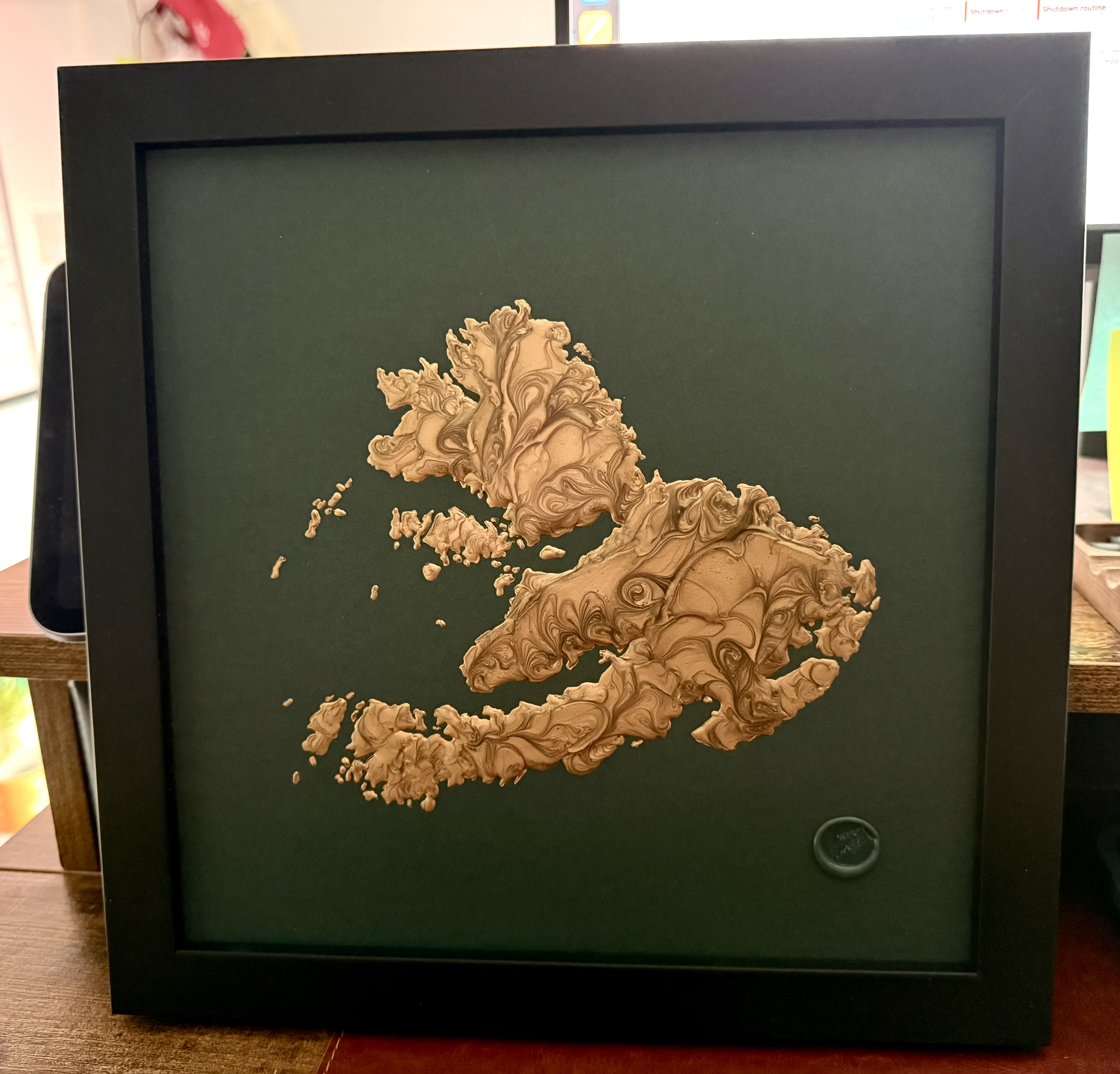
    Commissioned by us after our transformational visit to Mull this summer, Nina Tans art maps are utterly stunning, as are her bladderwrack watercolours.

    2. Ashleigh Proud, Sacred Trees leaves

    We love Ashleigh Proud’s work and have it dotted all round our home. Her love of all things natural and the transformation of those ideals into stunning enamel art speaks very deeply to us. We acquired a number of pieces for our bedroom, and the leaves of the sacred trees (an alternative calendar to the zodiac or months) has to be one of my favourites.

    3. Noah Davis Retrospective at the Barbican Centre

    I hadn’t come across Noah Davies before, but I had a spare couple of hours in London this year and spent it immersed in the wonderful and prolific work of Noah Davies, who tragically died very young but produced some wonderful work. This piece called ‘Painting for my Dad’ really spoke to me.

    From ChatGPT: Noah Davis was an American painter and installation artist, born in Seattle in 1983 and active until his untimely death from a rare form of cancer in 2015 at the age of 32. He became known for his deeply evocative figurative paintings that explore everyday Black life through a painterly language that blends realism and abstraction, challenging traditional narratives in Western art. 


    TV

    1. Shrinking S2 & Severance S2
    2. Alien Earth
    3. Pluribus

    Shrinking S2 and Severance S2, Apple TV
    I’ve plonked these two together because they need their first series. Both Apple TV series, they’re a bit more niche, but super high quality. Severance is proper genius level different and intriguing. I kept looking for the same high I got watching the first series, which wasn’t there, but still an extraordinary outing. Shrinking S2 I think built on great foundations, laid by Ted Lasso (same writers and producers I think), developed through S1 and into S2. It’s a smart, funny, human comedy-drama about therapists working through their own stuff as well as helping others that is well worth a watch. 

    Alien Earth, Disney+

    Whereas Alien Romulus was a travesty, using CGI Ian Holm, and the most pathetic stealing and delivery of ‘get away from her, you bitch’, Alien Earth is quite an interesting take on the Alien story. 

    I rather enjoyed the premise of competing corporations researching multiple alien lifeforms and playing with human consciousness and synthetics. Sure, it’s probably unnecessarily gory at times, and some of it is a bit ridiculous, but overall, as a series with something a bit different going on, I thought Alien Earth was good. 

    3. Pluribus, Apple TV
    None of the reviews I’ve seen so far seem to talk about what seems glaringly obvious to me (the joy of artistic interpretation, I suppose?!) – that Pluribus is about the rejection of AI/LLMs. 

    This is the story of how through some virus, all surviving humans become  connected as ‘we’ – sharing the same knowledge, background, information, collective approach – and obsessed with making the remaining non-connected humans ‘happy’. It seems to me that this is exactly the approach of LLMs – gather all the content together and provide it back as an all-knowing voice concerned with making the user happy. It’s also about the unaffected human, a writer, rejecting the desire to give up all her life and data and memories and creativity in order to join. I’m with her. Lots of reviews seems to be disappointed with the pacing, but I’m loving this series. 

    Honourable mentions for:

    • Smoke
    • The Last Frontier

    Film

    1. Nosferatu
    2. Poor Things
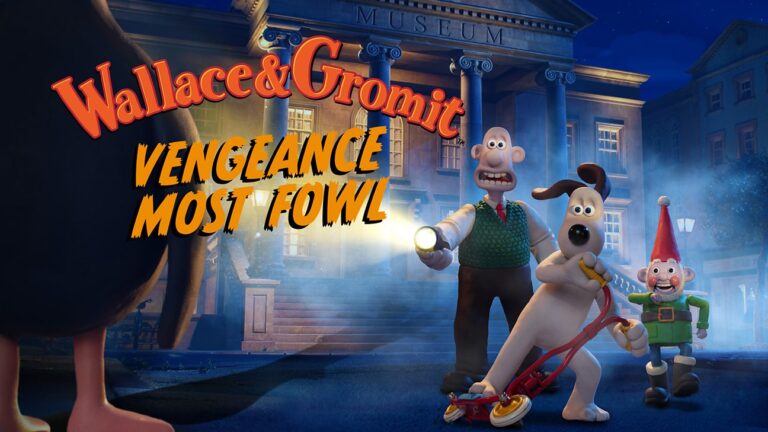
    3. Wallace & Gromit: Vengeance Most Fowl
    Music

    1. Live God, Nick Cave / Wild God 2024
    2. Gumshoe, Samantha Crain
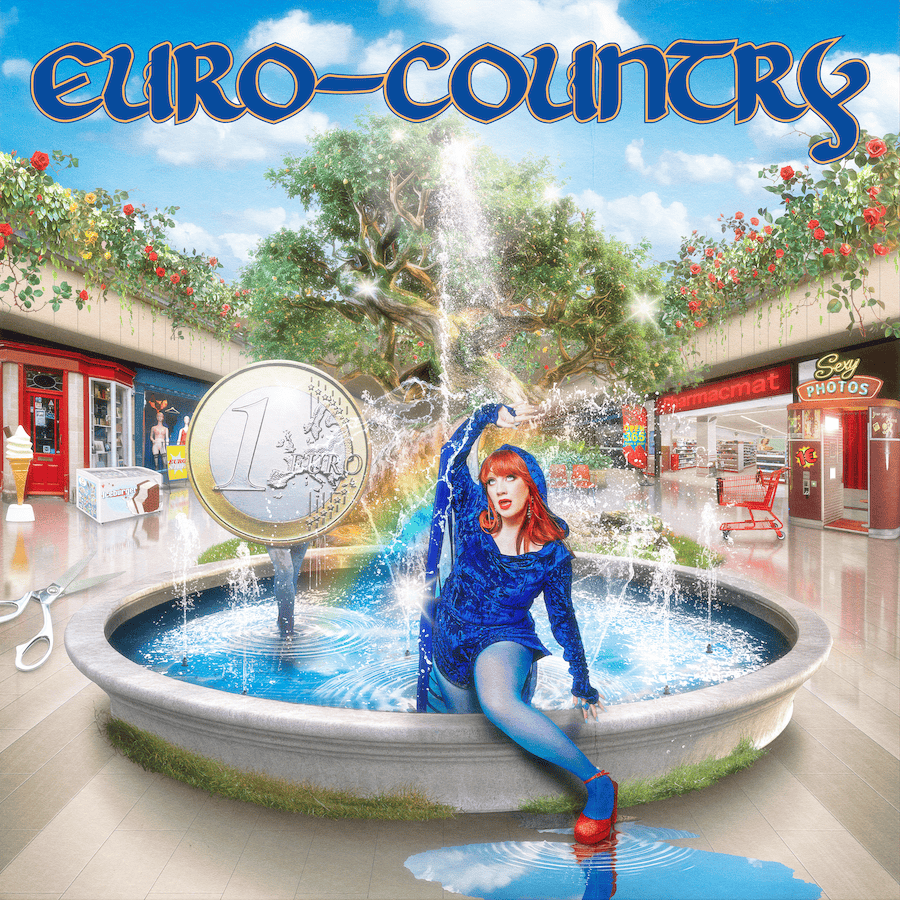
    3. Euro Country, CMAT
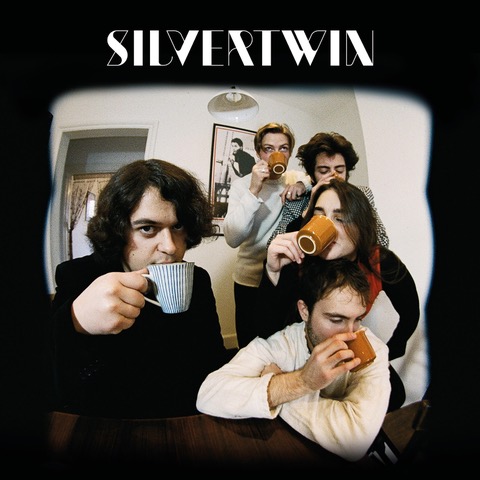
    4. Good to You, Silvertwin 
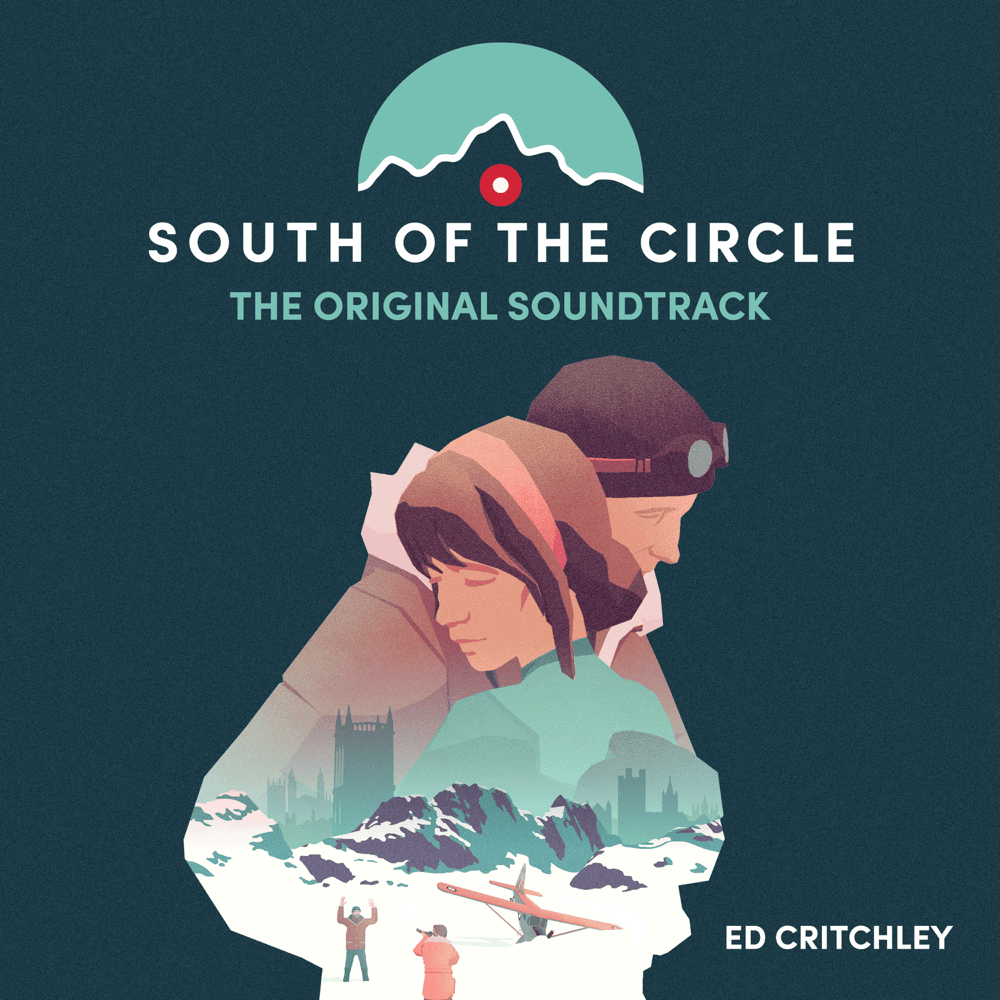
    5. South of the Circle, Ed Critchley 

    Too hard to just pick three.
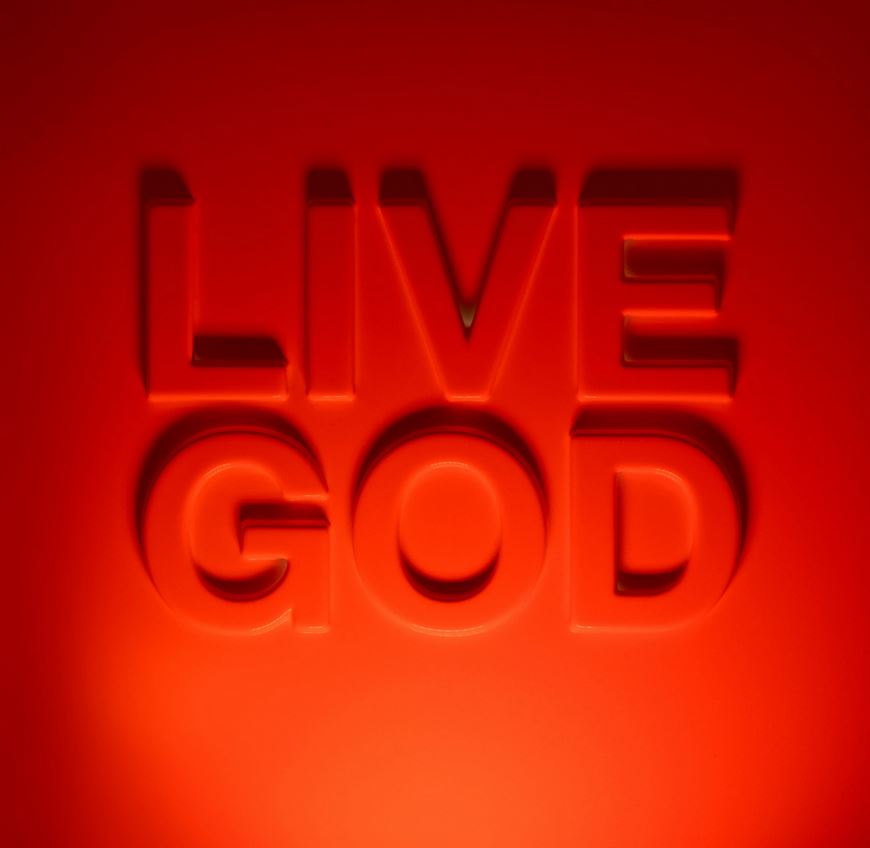
    South of the Circle is proper niche, but I really enjoyed the iPad game when it came out a couple of years ago – primarily for this soundtrack. It’s only just been released and I’m delighted to hear it again.

    That’s it!

    You can probably tell I’ve had something of a gothic horror year in books and film…

    What makes your top threes this year?
  • Have you caught yourself throwing away this damaging phrase?

    Have you caught yourself throwing away this damaging phrase?

    I’ve been hearing a phrase quite a bit lately, and it’s been on my mind. It’s a short, simple phrase that you might recognise, often used casually. But it’s really bothering me because it seems to touch on something deeper that we should be mindful of.

    The phrase is ‘soul-destroying’.

    I’ve noticed that people often use it when talking about work-related activities or environments. It can refer to physical environments, like rooms without windows, or cultural environments, such as oppressive leadership styles.

    I’m really concerned that people might use this phrase so lightly. What it describes is the erosion of our essence, our soul, our humanity. To do something that could potentially threaten who we are regularly, due to expectations, requirements, culture or necessity.

    It’s quite possible that people don’t mean anything as upsetting as this. They might be using it as a way to say, ‘I don’t really enjoy this part of my job, but I can put up with it’. Which might be better described as ‘a bit annoying’ or whatever phrase works for you. We use it to self-deprecate ourselves and apparently put others at ease with a shared sense of misery at work. Well, that sounds unhealthy.

    Because if we say it and mean it, that’s dark. That’s acknowledging that we are choosing to do something that destroys our soul. That turns us into automatons, lacking in humanity, joy, love and care. Ugh. I don’t want that.

    Compare this phrase with an expression I saw the other day at the park. On a morning walk through the park, I saw a car pull up. Out came two people—a small toddler and, I assume, a grandparent. The child, seeing the park, literally jumped for joy, pumped his fists in the air and cried ‘YAY YAY YAY!’. Unbridled joy. Soul-enhancing delight.

    That’s what I want for you all.

    To catch those self-deprecating phrases that undermine who we are and what we offer as humans, and instead, spread a little soul-enhancing delight.

  • The VAPOR planning framework for getting things done

    The VAPOR planning framework for getting things done

    • How are your New Year’s resolutions turning out?
    • How close are you actually getting to your goals?
    • How good at you at saying ‘no’ to the things that don’t matter?

    Struggling? There’s got to be a better way.

    In part it’s because we don’t often spend time working out what it is that we do want to get done. Or why those things matter to us. So what happens is, we end up saying ‘yes’ to everything because we don’t know what’s important.

    My tried and tested VAPOR framework changes all of that. It puts you back in control of your goals, provides a clear way to get after them, live your life in alignment with what you believe is important, and allows you to say ‘no’ to extraneous nonsense. I use it every day to get closer to what I want to achieve and focus on the really important stuff that allows me to fill my day with the things that matter to me. In the last year, it’s allowed me to write and produce a play for the theatre (something I haven’t done since I was a student), lose more weight than I’ve done in the decade previous with yo-yo dieting, and complete a coaching and facilitation course alongside my substantive consulting job.


    VAPOR stands for:

    Values

    Activities

    Plans

    Organisation

    Reflection

    Each part of the framework has associated activities with them and should be followed in order.


    Values

    What are your values? A simple question with seismic implications. And often a question we don’t ponder. Or if we do, we land on nebulous things that aren’t quite right or don’t really resonate. I’m going to offer two ways to get to your values.

    Option 1: Ask a simpler question, but sit with it for a long time.

    Instead of ‘what are my values?’, ask ‘what do I value?’. A really subtle shift, but is simpler to sit with.

    Give yourself an hour and that question. Write down every response you can think of for about 30 minutes: I value laughter, I value fun, I value my family, I value subversiveness, I value betterness (it doesn’t matter if you make words up). Then read each one out loud and see what you notice. If it feels right, keep it; if there’s something not quite right, ditch it; if there’s duplication or themes, theme them.

    You should end up with about 4-6 core values.

    or

    Option 2: Revisit your life so far, looking for clues.

    This technique is about looking for pivotal moments in your life. Think back, or better still, find a friend who’ll listen to you for a bit and ask them to help you notice the moments.

    Go through the story of your life, from childhood, and notice moments of change – where you used to do things one way, and then you found another way; or where change happened to you and you had to learn something else. Behind these moments of change resonates values. The things that are inherently important to us provoke us to act differently in these moments, they force us to focus on what really matters to us. They could be when you decided to take up a particular hobby or pastime, when you stuck with something at a moment you could have given up, when you discovered you were a party animal, or when you got home and realised nothing would ever be the same.

    These moments of your story pull out the things that matter to you.

    As with option 1, sit with that list of things: ‘tenacity seems to be important to me; I seem to tbe the kind of person who values helping others’ and keep the ones that resonate, and park the ones that don’t any more. Maybe those ones served you really well at that moment of change, but might not be as important for you right now.

    Again, theme them so that you end up with 4-6 core values.

    Shortcut

    I’m going to suggest a few things that I value which you might too:

    • Craft – getting better at skills that matter to you – they could be work or personal.
    • Connection – connecting to yourself, your partner, family, friends, and society.
    • Health – your physical, mental and financial health.
    • Creativity – making something that wasn’t there before.

    Activities

    Identifying a regular activity you do around each of your values.

    I deliberately haven’t used the term ‘habit’ here, because I don’t enjoy the pressure that comes with that term. I can valuemy physical health, but it doesn’t mean I have to go for a run every day. However, if I do have a set of regular activities, like going to the gym, taking classes, going for a long walk or a jog, and staying under a certain number of calories for the week, then I can say I value my health.

    For each of your values, think about some things you can do to show to yourself that you take this value seriously.

    They should be easy enough to be able to fit into most days, but difficult enough that they require some effort. The effort is important in terms of the story we tell ourselves that ‘doing this means I take it seriously’.

    Some examples for my values:

    For my craft, I regularly listen to podcasts, read a book instead of picking up my phone, and use the VAPOR planning framework.

    For connection, I go to the pub on a Friday night with my wife and we chat about the week, and I donate regularly to charity.

    For health, I take part in exercise activities, write a journal, and take a weekend walk in nature.

    For creativity, I play the piano and do some automatic writing a couple of times per week.


    Plans

    Establishing what you plan to achieve according to your values.

    No that you have the foundations of living a life in alignment with your values, you can set to the task of planning out what you want to achieve in accordance with your values. This will give you a clear indication of what things you want to be better or different over various time horizons, and will also give you the ammunition to say ‘no’ when other things come up.

    I suggest planning at the quarterly, weekly, and daily scale. And sometimes annual if helpful for you. But mostly, we can make decent headway on the things we want to achieve in a quarter.

    For each value, plan to achieve one thing in the next quarter. Depending how many values you have identified, you may decide that in some quarters you don’t have any activities for that value – and that’s ok if it’s an intentional gap. For me, for example, if I’ve had a particularly creative couple of quarters, I might deliberately decide to take a break to allow myself to recharge. I still value creativity, and will still keep up the regular activities, but may choose not to have a specific plan on the go.

    So, for example, you may decide that for your craft, you plan to acquire a new qualification in the next quarter. Or for connection, you might plan to see friends or family that you haven’t caught up with for a while. For your financial health, you may plan to finally set up that budget you’ve been meaning to do forever. There’s no fancy format, just write down the thing you want to be better or different in the next three months against the value.

    If you want to get a bit more advanced or ambitious in your planning, you can set out levels of accomplishment – from commitment (you definitely want this), to challenge (it’ll be tough, but possible), to crushing-it (if everything works in your favour, perhaps this will happen).

    The joy of planning in this way, is you’ve always got a good answer if someone asks to add something to your plate. If the project is in alignment with your values and you haven’t got anything on this quarter, maybe you say ‘yes’. If it’s in alignment with your values but you’ve already got something on this quarter, you can say you’d love to do it, but you’re already planning to achieve X, Y, and Z this quarter – perhaps you could consider it when you do your next quarterly plan. If it’s not in alignment with your values and you already know what you want to achieve, it’s much easier to say ‘no’ because you already know what and why you are doing and how you intend to spend your time: ‘I’m already planning to achieve A, B, and C this quarter, so I’m not going to be able to plan in your project’.

    Having the regular planning rhythm and the intention to achieve things in alignment with your values makes conversations about adding more in so much more easy. It also helps keep you happier and more fulfilled, because you’re always working towards something that matters to you.


    Organisation

    The organisational steps to keep momentum with your plan.

    OK, so you now have your quarterly plan and you need to get organised to make it happen. The next step is to look at this quarterly plan every week. I suggest doing this on a Friday. Each Friday, look at the quarterly plan and write a plan for the week that will get you a step closer to each goal. Maybe this week you want to read a chapter of a particular study book, practice a new technique, run 1km further.

    Write down your weekly plan.

    Keep it realistic – there’s no need to overstretch yourself. If in doubt, cut the plan down to about 60% of what you first think you can do in a week. Better to achieve that than to be left feeling like you haven’t met your goals. If you have extra time you want to fill, at least now you’ve got a quarterly plan to go to and take action on that.

    Then, every morning, check your weekly plan and pick out the things you plan to do today. Sometimes this will be decided in advance for you (e.g. a class is always on Wednesday), sometimes you have autonomy to decide. The key is to be intentional about your plans and your time. If you don’t plan how you want to use your time, someone else sure will – whether that’s your boss, Slack chat, or TikTok’s algorithm.

    How do you write all these plans up?

    Personally, I use a Trello board. I have a column (and associated colour label) for values. Then a column for regular activities. The next column has the quarterly plans, a weekly plan backlog column, then a doing and done column for each day. Cards can be colour coded with the values, so I can see at a glance that I’m living a balanced life, and the quarterly plans have checklists to tick off various points along a journey, such as weight-loss markers, or number of words written for a book.


    Reflections

    At the end of each week and each quarter, take time to reflect on what you’ve achieved.

    It’s a moment of celebration and of learning. Perhaps you crushed some goals and missed targets on others. Maybe you let your regular activities slip or your plans got waylaid by a new project or social crisis.

    What matters is you take time to reflect, learn and take lessons into the next quarter. If you’re always overcommitting, only take one or two quarterly goals into the next quarter, and cut the weekly and daily plans to about 60%. If you find that you’re super creative on Friday mornings, then plan to do your creative work then.


    I hope the VAPOR planning framework is useful for you. It’s been fantastic to help me achieve more of the things I want to achieve, live a life in alignment with my values, and be able to say no to the things that don’t fit.

    I believe strongly in ‘betterness’ (my made-up word from earlier) and so, I use Dieter Rams’ famous quote to inspire this lifestyle: “Less, but better.”

    Less, but better

    Dieter Rams

    Good luck using it, and let me know how you get on.

  • My top three non-fiction reads of 2022.

    In January this year, I took Cal Newport’s Analog January challenge and left all social media for a month. With the scrolling-time regained, I did as Cal suggested and picked up a book instead. Surprise, surprise, you get through more books if you do that! I enjoyed reading (and being mostly social-media free) so much, that I’ve kept up the habit for most of the year. 

    Here are three non-fiction books I read this year that changed my perspective on things. 

    1. Beyond Command and Control, John Seddon et al 

    This provocative, pokey and down-right hilarious-at-times-with-cynicism book argues that the problem with command and control wasn’t the command bit (‘sometimes bosses need to be bossy’ as Seddon tells us) but the controls bit – and that most organisations are measuring and controlling the wrong things and perpetually failing their customers and users (known as ‘failure demand’ in this book) . Whilst the basic premise of structuring around flow of value to customers and users isn’t new, the provocations Seddon makes against how illogical most workflows seem is fresh and made me laugh out loud on several occasions – particularly some of the disparaging views on how agility and digitisation is often misused! 

    Perhaps the most wonderful thought in this book is that all of those hideous old management styles were created by human beings, so we, as ingenious, capable, insightful humans, are completely capable of inventing new leadership structures that help our colleagues do excellent work, and our customers and users get what they really want and need. That’s reassuring and hopeful. 

    2. Essentialism, Greg McKeown

    The main tenet for this book is built around a mantra I’ve had on my wall for many years: Dieter Rams (influential industrial designer) principle of ‘Less, but better’. McKeown applies this principle to our lives – offering us the opportunity to step away from being ‘all things to all people’ (who McKeown calls Nonessentialists) who feel like they have to do everything, perpetually pursuing more, and ultimately living an unsatisfactory existence – to one of ‘less but better’ (an Essentialist) that trades-off things, discerns what’s really important, and lives a life that truly matters. 

    I have the model stuck up on my wall and often look to it for guidance how to handle all the many things I’d like to do with my time. The stand out thought of this book for me being that we HAVE options and we MAKE choices. This, I feel, puts the power back in our hands as the human agents of our own destiny – making proactive choices from the many options we have available. 

    3. The Promise that Changes Everything: I won’t interrupt you, Nancy Kline 

    I have chosen this book not so much because of the content, but what it provoked. I’d been a fan of the Thinking Environment since reading Time to Think a few years ago. This latest offering builds on the work in that book, covering some of the same ground, and also bringing some fresh insights on the damage that interruption can do to the quality of our thinking (did you know that being interrupted sets off the same bits of the brain as a physical assault?). The reason I chose this book is that it finally gave me the push to do some Time to Think training which I’d been meaning to do. The Foundations course I’ve already raved about on LinkedIn was the most wonderful couple of days that has enlightened me to this fantastic way of helping others to think well. I’m looking forward to doing the Facilitator Course, hopefully in 2023. 

    Honourable mentions for:

    • Finite and Infinite Games, James P. Carse – an utterly brilliant vision for a life of possibility and play. It should probably be in my top three… it takes some unpacking as every sentence is filled with consideration, but once digested, it’s a wonderful, wonderful book I’ll re-read next year. 
    • A World Without Email, Cal Newport – I’m always talking about Cal Newport, and this latest addition is a great vision for the workplace with practical tactics and strategies to employ to help us all work deeper and without distraction. 
    • Quiet, Susan Cain – helped me to embrace and understand my introversion (yes, I’m an introvert at heart…I play a good extravert when I need to, but I need time alone to recharge). 
    • The End of Average, Todd Rose – helped me to reject some of the damaging notions I held about being average. 

    What have been your top books this year? 

  • Why I’ve decided to #DeleteFacebook

    I’ve thought about this a bit, and I’ve read and listened to a bit, and I’ve decided that I’m going to leave Facebook.

    In a way, I wasn’t surprised by the Cambridge Analytica affair. I’m cynical enough to think that Facebook wouldn’t follow up on data destruction, but I didn’t quite realise the scale and breadth of the access that Facebook and third party apps have. 

    I’ve signed into services using Facebook for convenience sake, like many others have, but I didn’t really realise what I was giving access to. I had a look through the settings and found some really disturbing things that third party apps have access to. One particular menu showed that friends’ third-party apps could have access to my information – including things like my ‘current location’ and whether or not I was online. This I found deeply disturbing. 

    I’ll just go through that again. My friends’ third party apps could access whether or not I was online and my current location. What?! I’ve turned this all off now, but it was on by default. 

    Thankfully, I don’t have an Android device, but I hear that Facebook has been able to access Android users phone records, including who they call, when, regularity and for how long.

    These revelations have caused me to look into this in a little more detail and I don’t think I can stay with Facebook any longer. The price of paying with my data and privacy in exchange for a “free” service is too high a price for me. 

    Facebook-thumbs-down

    Apparently, Facebook has been conducting behaviour and emotional manipulation tests for years (https://www.forbes.com/sites/kashmirhill/2014/06/28/facebook-manipulated-689003-users-emotions-for-science/#7d82be6c197c). They have been conducting experiments on unwitting users, to tweak their feed, for example to lots of sad stories and ads and posts to then see if your subsequent posts are sad. And they can. A private company, with two billion users, can manipulate the information you see to influence your emotions and behaviours. 

    Just let that sink in for a minute. That’s a lot of power and influence. To know my likes and dislikes, my preferences and views, my photographs and memories. That’s too much for a single company that makes its money by selling data and advertising to own. I know it’s been my choice to share that information in the first place, but I’ve changed my mind now and I don’t want to any more. 

    I’m sure they think they’re doing good work at Facebook and Google. To connect people sounds like a noble mission, but it’s all for sale. Connected could have been positive. Connected so that more stuff can be sold or my behaviour manipulated is not so positive. They say that when the services are free, you are the product, and I don’t fancy being Facebook’s product any more. 

    If behaviour and emotional manipulation is already possible with the data that’s shared on Facebook, imagine what will be possible with the data we share with these “free” services in the future? And this is the bit that scares me most. These are not social media companies – these are private surveillance and information gathering companies who collate data, private thoughts, preferences and memories and sell them on for the highest price. Imagine what will be possible with AI and algorithms in the future with the data that’s provided. I’ve heard it described as in other technologies, these developments would be called ‘insecurities’ in a system that, with the appropriate resilience procedures, would be patched to cover them. A human brain cannot be patched. It will become more and more vulnerable to attack from the more complex processes that Facebook and the like will invent. 

    I’m hardly a technophobe. I bloody love technology, but I think technology should serve humankind, not manipulate it. To give away our data and, in time, our agency, to machines, leads to Skynet and Judgement Day. Technology should be helping me get things done that I want to do – at my service. I love the idea of ambient or ‘voice-first’ technologies to get stuff done, but there’s no way I would allow a Google Home or Alexa into my home. Companies, who sole purpose is to sell data and adverts, in my home, hearing my private conversations and potentially monetising that? No way.

    I saw somewhere that if you wanted Facebook without data selling, you’d have to pay something like £70-£100 per year. I don’t think Facebook is worth that (not that I have the option even if I did think it was worth it), and I think information about my personal preferences are worth more to Facebook. So it’s not a good trade. 

    Inertia and FOMO have stopped me from doing this before. I have been connected with brilliant people and have been put back in touch with friends that I otherwise wouldn’t hear from – and I will miss them. I will miss seeing stories of incredible joy and positivity and may miss stories of sadness, which is a shame. 

    So, when GDPR kicks in at the end of May, and I will have some right to be forgotten by Facebook, I will exercise that right and delete my Facebook account. I know that WhatsApp and Instagram are owned by Facebook too, but I won’t be deleting them yet. I think Google is an equally terrifying beast and I will think about getting out of Google soon (you know Google has the right to look through your email and pictures if you use their services, right?). I think Google is almost harder as their services are excellent. As far as I know, Apple is a different business which makes its money out of high profit margin hardware and not selling data, so I feel more comfortable using their products and services. 

    I don’t claim to be an expert on any of this, and I might be misinformed, but from what I understand, I want out. 

    I’m only one user of 2bn, so I don’t think Zuckerberg will mind (he’s been quoted as calling users “dumb f*cks” anyway), but I urge you to consider the value of your data in exchange for the “free” service you think you’re getting.

  • Is the Customer Always Right?

    Is the Customer Always Right?

    In the good old days, the customer was always right.  So are they any more?

    Old-fashioned-customer-service

    Well, no. Partly because of the size of some businesses now don’t allow for any sort of human engagement with the people on the ground in a store/warehouse/pub; partly because some customers will try anything on to get what they want; partly because our bullsh*t filters are all really good these days, so we know the likely right/wrong outcome; and partly because some people are just wrong.

    The point is this:

    (more…)

  • Eight Things I’d like to see in iOS 8

    Eight Things I’d like to see in iOS 8

    It’s Apple’s World Wide Developers Conference (WWDC) 2014 next week, so I thought I’d join the speculation bandwagon and propose eight things I’d like to see in iOS 8.

    1. Actionable email

    Trash or More?…that’s not enough. Why can’t we swipe across an email and bring a whole host of option icons like trash, flag, move, calendar, remind me later (a la Mailbox or Dispatch)? Email is boring enough as it is, and so often requires an action, so why not bring it to life a bit and make it work?


    (more…)

  • Look in the mirror

    “I have looked in the mirror every morning and asked myself: “If today were the last day of my life, would I want to do what I am about to do today?” And whenever the answer has been “No” for too many days in a row, I know I need to change something.”

    Steve Jobs

  • True simplicity…

    True simplicity is derived from so much more than just the absence of clutter and ornamentation. It’s about bringing order to complexity

    Jony Ive

  • Of, by and for…why a co-operative should be a perfectly promotable business model

    The co-operative is currently going through a bit of a tough time which got me thinking back to some work I did a while ago to try to help express the uniqueness of a co-operative business model.

    One of the things I explored was about businesses having to excel in one, two or three aspects…most can’t do all three, but I believe a co-operative is uniquely placed to utilise this model…

    Businesses need to:

    • Be of the customer: a business that shares the values of its customers 
    • Be by the customer: a business that is shaped and run by its customers
    • Be for the customer: a business that is focused on an excellent customer experience

    (more…)