OK, OK, so I haven’t kept to my promise to blog every couple of weeks throughout the strategy process. Sorry. I found that the actual doing got in the way of reflecting through this blog.
Anyway, having completed a lot of the strategy work, I needed to present it to lots of different people, so today’s blog is about presentations.
The most important mindset for presentation, I believe, is to think of your presentation as a creative entity in its own right.
A presentation is a creative entity in its own right
It’s so important, I’ve said it twice.
The look, feel, narrative and vibrancy of a presentation is as important (if not more so because you’re often showing it to people without any prior knowledge) than the content you are conveying. It is creative, it is communicative, it is a story to convey a big idea. And it should be treated as such.
So often, I think people dump their thoughts or notes down on slides and then read them out aloud to their audience. Your audience aren’t stupid – they can read, so don’t just put all your words on slides and read them aloud. If you want to create a reading document, create a reading document – it’s not a presentation.
The best advice I ever heard for starting to create your presentation is this (from http://99u.com/articles/7039/how-to-create-a-captivating-presentation):
- One big idea
- Three key points
- One compelling story
- One idea per slide (and no more than six words per slide)
- One clear call to action
Until you work out these things, you can’t start work on your presentation. Yes, you know the proposal or data or information inside out, but your audience deserve better than a robot reading stats. I’ll go through them in a bit more detail:
Boil your presentation down to one big idea. Think of it like this: if the fire alarm went off and everyone had to leave – what would you say to people to remember your presentation?
If you only remember one thing, it’s this!”
That’s the big idea.
Three key points. Everything seems to work in threes. They’re natural. And people can’t remember much more than three things. It doesn’t matter if your proposal or product has twenty-seven killer features, the best three will do.
One compelling story. Yes, story. Your presentation forms a narrative which your audience will follow in a linear fashion (because of the way that time works – it’s got to be one thing then the next). Think about the compelling story you are trying to tell. Personal stories are even better:
I remember this one time when…”.
It helps bring things to life for your audience. Everyone loves stories. They’re human. Once upon a time, eh?
One idea per slide (and no more than six words). Apparently, the average PowerPoint slide has 40 words on it. 40. Would you want to read that if you were in the audience? Didn’t think so. One slide = one idea…in as few words as possible. When you start putting your hideously animated 12 bullet point list up there, your audience will be confused and will have already forgotten your first point. Now then, this may lead to you having lots and lots of slides. That’s ok. Some slides will only last a few seconds because you won’t dwell on the idea. Don’t confuse number of slides with ‘death by PowerPoint’.
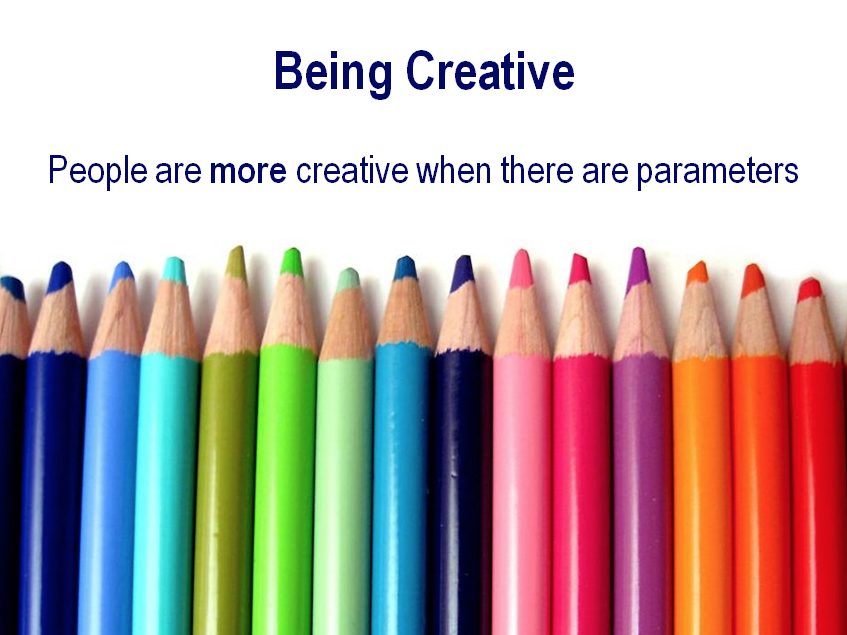
One call to action. Having sat an watched you for the last 20-30 minutes, what are your audinece going to do about it? Presumably you wanted something out of talking to them? Work out what that is and convey it. My call to action for all you readers is to revisit all of your presentations and make them awesome.
Other things you’ll need to bear in mind:
The presenter (you) needs to rehearse your presentation. The best ones look very natural and comfortable because the presenter knows the content very well. You’ll also know how long the presentation will last (there’s nothing worse than saying you’re going to give a ten minute presentation and then you’re still talking twenty-five minutes later = grumpy audience. Far better to say you’ll talk for thirty minutes and stop after twenty five).
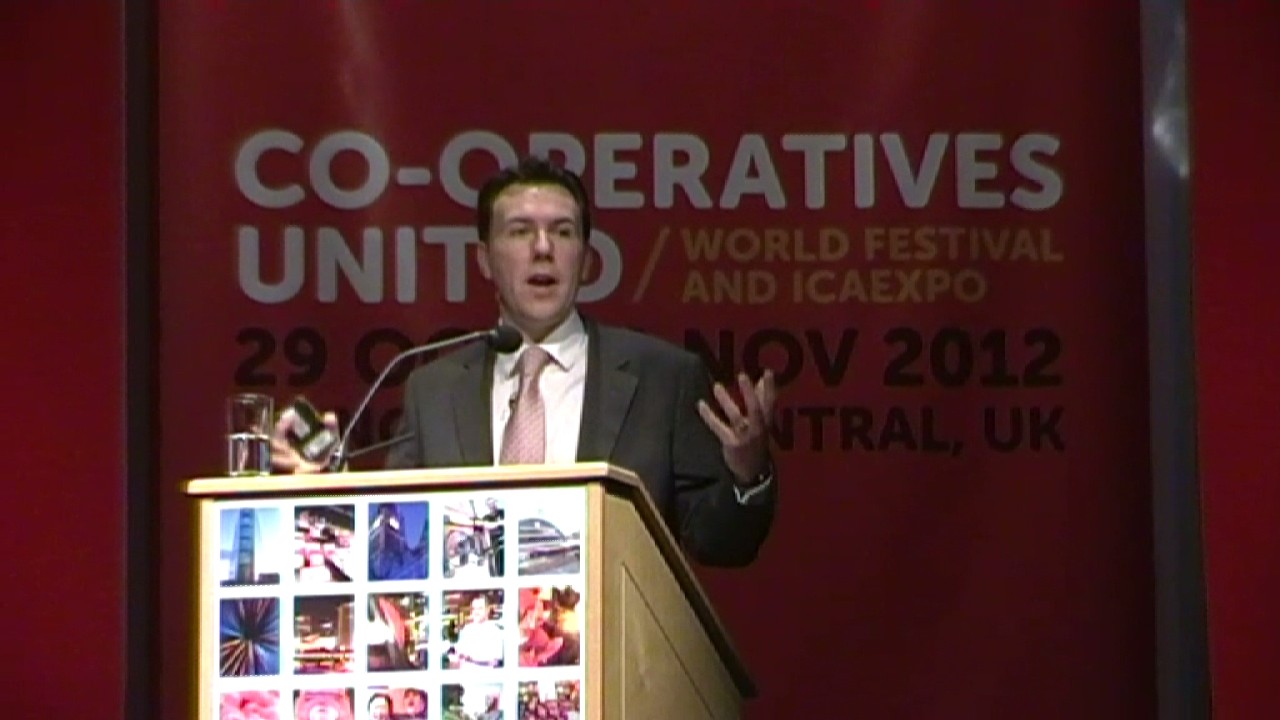
Think about your audience. If you’d be bored by your stats or bamboozled by your graphs, then don’t use them. Find another, creative and inspiring way to tell the story of those stats and that graph. Think about what would you want to see if you were in the audience – not what you the presenter has to get across in twenty minutes.
You are there to elaborate on the ideas and story presented on the slides. If you just want people to read content, provide them with a reading document. It’s not good enough to just say out loud what’s on the slides. You need to enthuse, elaborate and connect with your audience. They’re giving you their time, you need to give them a good show.
Taking this approach will make you stand out. Because so many people make bad presentations. Taking a bit of time to create something that matters will differentiate you.
Steve Jobs is often cited as a master of presentation (check out his iPhone 2007 launch – I think it’s one of his best). It provides a really good structure which could be applied to your presentation:
- An overview of the backstory (your successes, setting the scene)
- What you’re going to be communicating today (in very simple terms – 3 key words perhaps)
- Your big idea in one simple sentence
- An overview of the problem
- An overview of the solution
- Problems and solutions in more depth (only three problems and solutions)
- Summarise the big idea
- Call to action

So, there you go, my top-tips for creating a fantastic presentation. What are your top tips?
 Sam Grayston
Leave a comment